
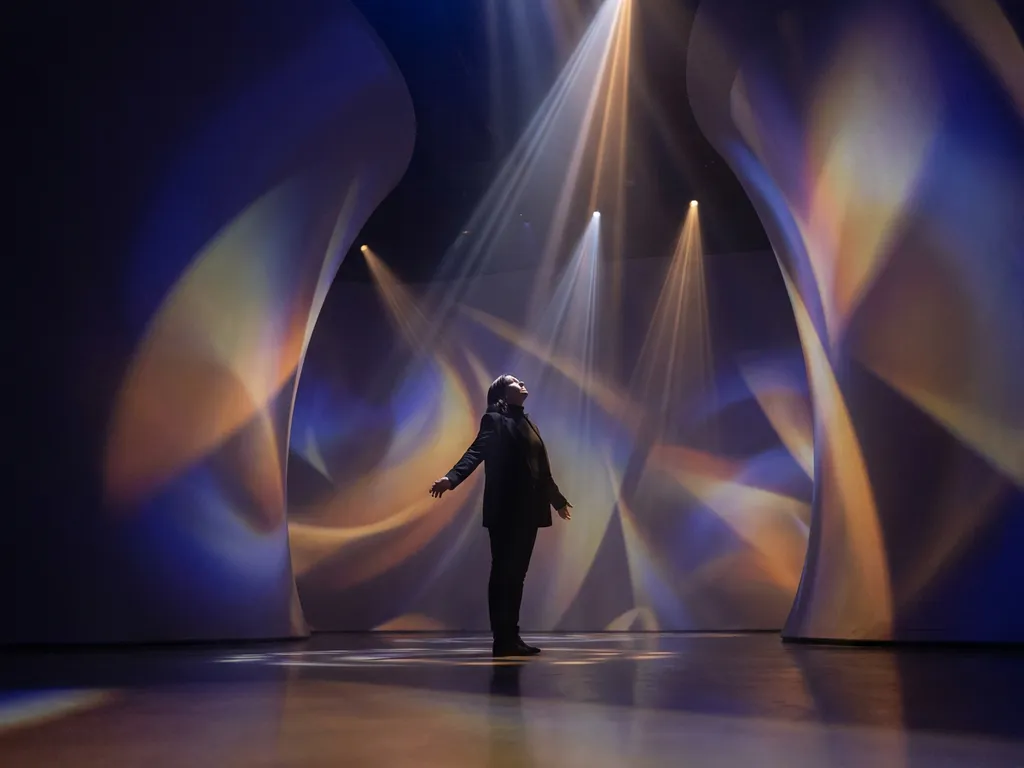
Experiential marketing delivers measurable benefits by creating direct, memorable interactions between a brand and its audience. Unlike passive advertising, it puts people inside the brand story rather than in front of it. The result is stronger emotional recall, deeper loyalty, and engagement that extends well beyond the moment of contact. The questions below unpack exactly how and why this works.
How does experiential marketing differ from traditional advertising?
Experiential marketing differs from traditional advertising in one fundamental way: it replaces observation with participation. Traditional advertising asks an audience to watch, read, or listen. Experiential marketing asks them to step in, interact, and feel something firsthand. The brand is no longer a message delivered to someone; it becomes a space someone moves through.
Traditional advertising operates on repetition and reach. A television spot, a billboard, or a digital banner earns attention through frequency. The assumption is that enough exposures will build familiarity, and familiarity will eventually drive action. This model works at scale, but it produces shallow engagement. People see the ad, register the brand, and move on.
Experiential marketing inverts that logic entirely. Instead of broadcasting a message broadly, it creates a concentrated encounter that earns genuine attention. A person who walks through an immersive brand environment, interacts with a product in a meaningful context, or participates in a live activation is not just exposed to the brand; they form a memory with it. That memory is personal, sensory, and far more durable than anything a passive ad can produce.
The practical difference also shows up in how audiences respond afterward. Traditional advertising generates awareness. Experiential marketing generates stories. People who have a remarkable brand experience talk about it, share it, and return to it in conversation. That organic amplification is something no media buy can fully replicate.
What emotional impact does experiential marketing create?
Experiential marketing creates emotional impact by engaging the body and the senses, not just the mind. When people physically inhabit an experience, touching, moving, hearing, sometimes even smelling, their emotional response is immediate and involuntary. The brain processes sensory input as real, which means the feelings generated are genuine rather than manufactured through persuasion.
This matters because emotion is the primary driver of memory formation. Experiences that trigger a strong emotional response are encoded more deeply and retrieved more easily than neutral information. A brand that makes someone feel something, curiosity, wonder, empathy, excitement, has a far stronger claim on long-term recall than one that simply informs.
Immersive experiences are particularly effective at generating empathy. When a person steps into a simulated environment that represents another perspective, a different culture, a social challenge, a historical moment, they do not just understand it intellectually. They feel it. This is why organizations working on social impact, education, and behavior change increasingly turn to immersive formats. The emotional shift that happens inside a well-designed experience can change attitudes in ways that a report or a campaign video simply cannot.
For brands, the emotional dimension of experiential marketing translates directly into brand perception. Audiences who associate a brand with a positive, meaningful experience carry that association forward. The brand becomes linked not just to a product category but to a feeling, and feelings are far harder to dislodge than rational preferences.
How does experiential marketing increase brand awareness?
Experiential marketing increases brand awareness through two reinforcing channels: direct participation and social amplification. Every person who attends a live activation or walks through an immersive installation becomes a firsthand witness to the brand. But the reach extends far beyond those present, because remarkable experiences generate content, conversation, and sharing that multiplies the original audience many times over.
The shareability factor is significant. When an experience is visually striking, emotionally resonant, or genuinely surprising, people document it. They photograph it, film it, post it, and describe it to people who were not there. Each of those posts and conversations carries an implicit endorsement, not a paid placement, but a genuine recommendation from someone who was moved enough to share it voluntarily.
Experiential activations also create a physical presence that digital advertising cannot. A well-designed installation in a public space, a pop-up in a high-traffic location, or a branded environment at an event puts the brand in front of people who may never have encountered it through conventional channels. The brand enters their world rather than appearing in a feed they can scroll past.
For brands working to reach new demographics or break into new markets, experiential marketing offers a way to generate awareness that feels earned rather than bought. The audience does not experience it as advertising; they experience it as something worth their time. That distinction shapes how the brand is perceived from the very first contact.
Can experiential marketing drive measurable ROI?
Yes, experiential marketing can drive measurable ROI, though the metrics look different from those used in traditional media buying. The return comes through multiple streams: direct conversions at the event, earned media value from social sharing, long-term brand equity gains, and increases in customer lifetime value among those who participated. Measuring all of these together gives a more complete picture of the investment’s return.
At the event level, experiential activations can track engagement directly, how many people participated, how long they stayed, how many took a desired action such as signing up, purchasing, or downloading. These are hard numbers that translate straightforwardly into cost-per-engagement figures comparable to digital campaign benchmarks.
Beyond the event itself, the earned media generated by a successful activation often exceeds the paid media spend required to produce it. When an experience is genuinely remarkable, the organic reach through social sharing, press coverage, and word of mouth represents value that would cost significantly more to buy through conventional advertising.
The longer-term ROI case rests on customer quality rather than just quantity. Research consistently shows that customers who engage with a brand through a meaningful live experience tend to spend more, return more often, and refer others more readily than those acquired through passive channels. The investment in a single activation can produce compounding returns over time that a standard campaign analysis would miss if it only measured immediate conversions.
What types of brands benefit most from experiential marketing?
Brands that benefit most from experiential marketing are those with something meaningful to communicate that cannot be fully conveyed through a screen. This includes brands with complex products, strong emotional narratives, values-driven positioning, or a need to build trust with audiences who are skeptical of conventional advertising.
Luxury and lifestyle brands were among the earliest adopters of experiential formats because their value proposition is inherently sensory. A fragrance, a high-end vehicle, or a premium hospitality brand can describe its qualities in an ad, but the only way to truly communicate the experience is to let people have it. Immersive activations do exactly that.
Purpose-driven organizations, NGOs, public sector bodies, educational institutions, benefit for different reasons. Their challenge is not selling a product but shifting attitudes, building empathy, or motivating behavior change. Immersive experiences are among the most effective tools available for achieving those goals because they move people emotionally in ways that written or filmed content rarely can.
Consumer brands in competitive categories also benefit significantly. When products are functionally similar, brand experience becomes the differentiator. A brand that creates a memorable, positive encounter with its audience earns a preference that competitors who rely solely on media spend cannot easily overcome.
In practice, the question is less about what type of brand benefits and more about whether the brand has something genuine to offer in an experiential format. Brands with authentic stories, clear values, or genuinely interesting products tend to produce experiences that resonate. Brands that approach experiential marketing as a novelty tactic without substance behind it rarely achieve lasting results.
How does experiential marketing build long-term customer loyalty?
Experiential marketing builds long-term loyalty by creating a shared history between the brand and the customer. When someone has a genuinely meaningful experience with a brand, one that made them feel something, taught them something, or connected them with others, the relationship moves beyond transactional. The brand becomes part of their personal story, and that is a powerful foundation for lasting loyalty.
Loyalty built through experience is also more resilient than loyalty built through habit or convenience. A customer who stays with a brand because it is the cheapest or most available option will switch the moment a better offer appears. A customer who associates a brand with a meaningful memory has a reason to stay that cannot be easily replicated by a competitor’s price cut or promotion.
Experiential marketing also creates community. When people share an experience together, whether at a live event, inside an immersive installation, or through a participatory activation, they form connections not just with the brand but with each other. Those social bonds reinforce loyalty because leaving the brand means leaving the community that formed around it.
For brands investing in repeat engagement, experiential formats offer a natural framework for deepening the relationship over time. Each new experience builds on the last, adding layers of meaning and familiarity that strengthen the emotional connection with every encounter.
When should a brand invest in experiential marketing?
A brand should invest in experiential marketing when it needs to shift perception, deepen engagement, or create a moment that a conventional campaign cannot deliver. The most productive timing includes product launches, market entries, rebranding moments, and campaigns where emotional connection is the primary goal rather than simple awareness or reach.
Experiential investment makes particular sense when the brand’s message is complex or nuanced. If what makes a product or organization exceptional cannot be communicated in a headline or a thirty-second spot, an immersive experience gives the audience the time and the space to understand it properly. This is especially relevant for brands in education, technology, sustainability, or social impact, where the story requires more than surface-level engagement to land.
Timing within the customer journey also matters. Experiential marketing is highly effective at the consideration and conversion stages, when potential customers need to move from awareness to genuine preference. An activation that lets someone experience a product or brand value firsthand can accomplish in minutes what months of digital retargeting might not.
Brands should also consider experiential investment when they are trying to reach audiences who have become resistant to conventional advertising. Younger audiences in particular are highly attuned to the difference between being marketed to and being genuinely engaged. An experience that respects their intelligence and offers real value will earn their attention in ways that interruptive formats increasingly fail to do.
If you are exploring how experiential and immersive formats could serve your brand or organization, we would be glad to think through the possibilities with you. Feel free to contact us to start the conversation.
Gerelateerde artikelen
- What is an immersive museum?
- How much does experiential marketing cost?
- What exactly is experiential marketing?
- What are five applications of virtual reality?
- Why do people like immersive experiences?
- Why is immersive art so popular?
- What is the difference between WebAR and app-based AR for marketing?
- What is an example of an immersive experience?
- Are immersive and experiential the same?