
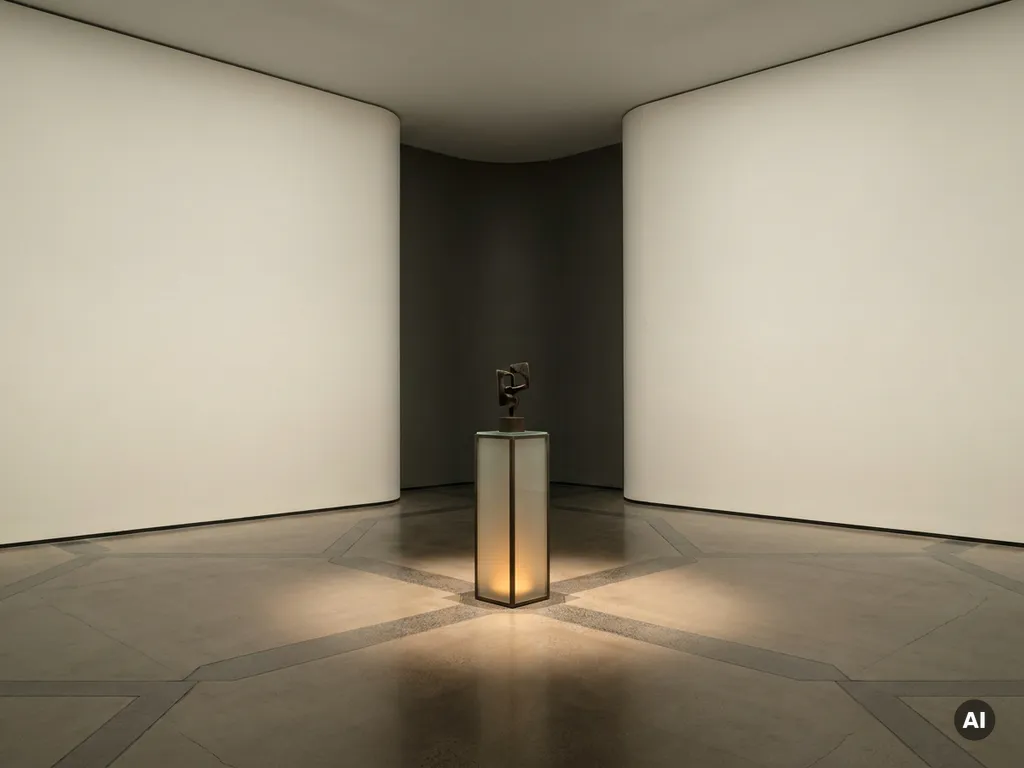
The key elements of a successful exhibition are a compelling narrative, intentional spatial design, meaningful visitor engagement, and a clear sense of purpose that connects the content to the audience’s lived experience. These elements work together to create a journey that feels both coherent and emotionally resonant. The questions below unpack each of these dimensions in depth, from the role of storytelling to how technology should be used and how success can actually be measured.
What makes visitors remember an exhibition long after they leave?
Visitors remember an exhibition when it creates a moment of genuine emotional connection, not just information transfer. Memory is tied to feeling, and exhibitions that trigger curiosity, empathy, or wonder leave a lasting impression. The most memorable museum exhibitions combine personal relevance with sensory richness, giving visitors something to feel, not just something to read.
Research in cognitive science consistently shows that emotional experiences are encoded more deeply in long-term memory than purely intellectual ones. This is why an exhibition visitor engagement strategy built around passive display panels rarely achieves lasting impact. When a visitor can touch, hear, smell, or actively participate, the experience becomes embodied, and embodied experiences stick.
There are several specific qualities that tend to make exhibitions unforgettable:
- Personal relevance: Visitors who see their own lives, histories, or values reflected in the content feel seen, and that feeling is hard to forget.
- Surprise and discovery: Moments of unexpected revelation, whether through a hidden detail or an interactive reveal, create strong memory anchors.
- Emotional peaks: Deliberately designed high points in the visitor journey, a breathtaking visual, a powerful sound environment, a moving personal story, create the emotional peaks that define how the whole experience is remembered.
- A sense of meaning: Visitors who leave feeling that the experience mattered, that they learned something important or shifted their perspective, are far more likely to talk about it and return.
Designing for memory means designing for emotion first, and information second.
How does spatial design shape the visitor experience?
Spatial design shapes the visitor experience by controlling how people move through, perceive, and emotionally respond to an exhibition environment. The layout, scale, lighting, acoustics, and flow of a physical space are not neutral; they actively guide attention, pace the narrative, and set the emotional register of each moment before a single word is read.
In exhibition design, space is a storytelling medium in its own right. A low ceiling creates intimacy; a vast open hall creates awe. A narrow corridor builds anticipation before a reveal. Strategic use of light can make an object feel sacred or scientific, warm or clinical. These are not aesthetic choices made after the content is decided; they are fundamental to how the content lands.
Effective spatial design in museum exhibition planning considers several layered factors:
- Visitor flow: How people naturally move through a space determines the order in which they encounter content. A well-designed path creates a narrative sequence without forcing it.
- Pacing and rhythm: Alternating between dense, information-rich zones and open, reflective spaces gives visitors mental breathing room and prevents fatigue.
- Sensory environment: Sound design, temperature, scent, and texture all contribute to spatial atmosphere and can dramatically shift emotional tone.
- Scale and proportion: Objects displayed at unexpected scales, oversized, miniaturized, or at eye level rather than behind glass, change how visitors relate to them.
The best exhibitions treat the floor plan as a script, choreographing the visitor journey as deliberately as any theatrical production.
What role does storytelling play in exhibition design?
Storytelling is the connective tissue of exhibition design: it transforms a collection of objects or information into a coherent, emotionally engaging experience. Without a narrative structure, even the most visually striking exhibition risks feeling like a catalogue. Exhibition storytelling gives visitors a reason to care, a thread to follow, and a conclusion that resonates.
Strong exhibition narratives share several structural qualities with effective storytelling in any medium: a clear point of view, tension or conflict that creates stakes, characters or perspectives the audience can identify with, and a satisfying resolution or call to reflection. These elements apply whether the subject is natural history, contemporary art, a brand story, or a social issue.
Content-first narrative architecture
Before any design decision is made, the core story must be defined. What is the exhibition ultimately about? What should a visitor feel, understand, or question by the end? These questions anchor every subsequent choice, from which objects are selected to how text panels are written to where the emotional climax of the journey is placed.
Layered storytelling for diverse audiences
Effective exhibition storytelling operates on multiple levels simultaneously. A child and an academic can move through the same space and each find their own entry point into the narrative. This layering, through visual cues, accessible introductory text, deeper contextual panels, and interactive elements, ensures the story reaches everyone without diluting its depth for those who want more.
How can technology enhance an exhibition without overshadowing the content?
Technology enhances an exhibition without overshadowing the content when it serves the story rather than performing for its own sake. The most effective exhibition technology is invisible in the best sense: visitors are immersed in an experience without being distracted by the mechanism delivering it. The test is simple: does this technology make the content more accessible, more emotionally resonant, or more memorable? If not, it does not belong.
The risk of technology-led exhibition design is that novelty becomes the point. A projection mapping installation or an AR overlay that impresses for thirty seconds but adds nothing to understanding is ultimately a distraction. Technology earns its place in exhibition design when it solves a genuine problem, bridging a gap between the visitor and the content that no other medium could close as effectively.
Practical principles for integrating exhibition technology well include:
- Start with the story gap: Identify what the content cannot communicate through static display, then ask whether technology can bridge that gap.
- Design for interaction, not demonstration: Technology that visitors actively engage with creates deeper learning and stronger memory than technology they passively watch.
- Ensure accessibility: Digital layers should add options, not create barriers. Not every visitor will engage with an app or a headset, and the core experience must remain complete without them.
- Test with real audiences: Technology that works in a demo environment often behaves differently with hundreds of visitors across different ages and technical comfort levels.
We approach immersive exhibition projects with this principle at the center: technology is a medium, not a message. When digital and physical elements are designed together from the start, the result is an experience where the technology disappears and the story takes over.
What are the most effective ways to engage diverse audiences?
The most effective ways to engage diverse audiences in an exhibition are to design for multiple entry points, offer varied modes of participation, and ensure that the content reflects perspectives beyond a single cultural or demographic lens. Audience diversity is not a problem to solve at the end of the design process; it is a creative brief that shapes the exhibition from the beginning.
Exhibitions that successfully reach broad audiences tend to share a commitment to what designers call “universal design”: creating experiences that work across different ages, abilities, languages, and levels of prior knowledge without requiring visitors to adapt themselves to the exhibition. Instead, the exhibition adapts to them.
Specific strategies that support diverse visitor engagement include:
- Multilingual and multimodal content: Text in multiple languages, audio guides, tactile elements, and visual storytelling ensure that language and literacy barriers do not exclude visitors.
- Varied interaction types: Some visitors learn by reading, others by watching, others by doing. Offering a range of interaction modes, contemplative, social, physical, digital, means every visitor can find their way in.
- Representative narratives: Exhibitions that center stories from communities historically underrepresented in cultural institutions build trust and relevance with new audiences.
- Flexible pacing: Allowing visitors to move through at their own speed, linger where they are most engaged, and skip what does not resonate respects the diversity of visitor motivations and attention spans.
AI-driven personalization is also opening new possibilities here. When an exhibition can adapt its language, depth, or narrative emphasis based on who is engaging with it, the gap between a designed experience and a personal one begins to close.
How do you measure whether an exhibition has been successful?
Measuring exhibition success requires looking beyond visitor numbers to assess the depth and quality of engagement. Attendance figures tell you how many people came; they tell you very little about whether the exhibition achieved its purpose. A successful exhibition is one that met its defined objectives, whether those were learning outcomes, emotional impact, behavior change, brand association, or community reach.
Defining success metrics before the exhibition opens is essential. Without clear goals, evaluation becomes retrospective guesswork. The metrics that matter depend entirely on what the exhibition was designed to do.
Quantitative indicators
These include visitor numbers, dwell time in specific zones, return visit rates, digital engagement metrics (app downloads, AR interactions, social shares), and completion rates for interactive experiences. Dwell time is particularly revealing: visitors who spend significantly longer in an exhibition than average are demonstrating genuine engagement, not just passing through.
Qualitative indicators
Exit surveys, facilitated focus groups, and observational research capture what numbers cannot: whether visitors understood the core message, whether they felt emotionally moved, whether their attitudes or intentions shifted. For educational exhibitions, pre- and post-visit knowledge assessments provide direct evidence of learning impact. For immersive exhibitions designed to build empathy, qualitative feedback often reveals the most important outcomes.
What’s the difference between a good exhibition and a truly immersive one?
A good exhibition informs and engages; a truly immersive exhibition transforms. The distinction lies in the depth of the visitor’s involvement. In a good exhibition, visitors observe content from the outside: they read, watch, and move through. In a truly immersive exhibition, visitors are inside the experience, surrounded by it, responding to it, and changed by it in ways they can feel during and after the visit.
Immersive exhibitions activate more of the senses, demand more active participation, and create a stronger sense of presence, the feeling of genuinely being somewhere or inside something rather than looking at it. This shift from observation to participation is what produces the deeper emotional and cognitive impact that defines truly memorable exhibition experiences.
The qualities that elevate a good exhibition into an immersive one include:
- Full sensory engagement: Sound, light, scent, temperature, and texture working together to create an environment that feels complete and real.
- Agency and consequence: Visitors whose choices within the exhibition affect what they see, hear, or discover feel a sense of ownership over their experience that passive visitors never achieve.
- Emotional immersion: Content that connects to universal human experiences, loss, wonder, injustice, joy, creates the emotional investment that makes the physical environment feel meaningful rather than theatrical.
- Seamless integration: In a truly immersive exhibition, the technology, the spatial design, the narrative, and the sensory environment feel like a single unified experience rather than separate elements assembled together.
The gap between good and immersive is ultimately a gap between designing for information and designing for experience. It requires a different kind of ambition from the start, one that asks not just what visitors will learn, but who they will be when they leave. If you are ready to move your exhibition in that direction, we would be glad to explore what that journey could look like together: contact us and let’s start the conversation.
Gerelateerde artikelen
- What services does an immersive-content agency provide?
- What is immersive experience and how does it work?
- What are five applications of virtual reality?
- What are the challenges of creating immersive experiences?
- What are the benefits of experiential marketing?
- What is an immersive brand experience?
- What are some examples of immersive experiences?
- Is immersive the same as virtual reality?
- How much to build an immersive room?