
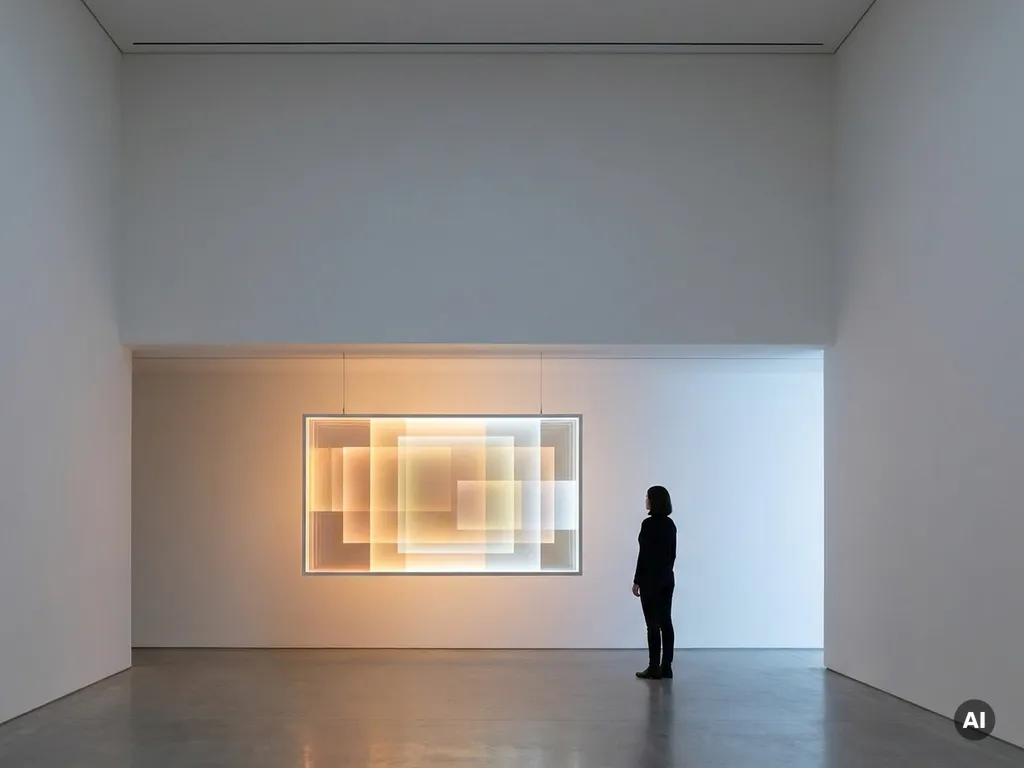
A digital exhibit is a curated presentation of content, artifacts, or experiences delivered through digital technology rather than exclusively through physical objects. It can exist online, on-site, or in hybrid form, and it uses tools like interactive screens, augmented reality, virtual reality, and multimedia storytelling to engage visitors in ways that static displays cannot. The questions below unpack everything from the core differences between digital and physical exhibits to the practical decisions cultural institutions face when planning one.
How is a digital exhibit different from a physical one?
A digital exhibit differs from a physical one in that it delivers content through technology rather than tangible objects, allowing visitors to interact with, explore, and personalize what they see rather than simply observe it from a distance. Where a physical exhibit is anchored to a location and a fixed arrangement, a digital exhibition can be updated instantly, scaled across venues, and experienced remotely.
That said, the distinction is not always absolute. The most powerful museum digital experiences today blend both worlds: a physical artifact sits in a gallery while a digital layer, delivered through a touchscreen or an AR-enabled device, reveals its history, context, or hidden detail. The physical object provides authenticity and presence; the digital layer provides depth and interactivity.
What truly separates digital exhibits from their physical counterparts is the relationship they create with the visitor. Physical displays invite observation. Digital displays invite participation. A visitor can make choices, follow personal interests, and influence what they see next. That shift from passive viewing to active engagement is the defining quality of a well-designed digital exhibit.
What types of digital exhibits exist?
Digital exhibits span a wide range of formats, from fully online collections to immersive on-site installations. The main types include interactive touchscreen displays, augmented reality overlays, virtual reality environments, 360-degree dome projections, online virtual exhibits, and mixed reality experiences that blend physical and digital elements in real time.
Here is a closer look at the most common formats:
- Interactive touchscreen exhibits allow visitors to explore content through gestures, selections, and multimedia layers directly embedded in a gallery space.
- Augmented reality exhibits use smartphones or headsets to overlay digital information, animation, or storytelling onto physical objects or spaces.
- Virtual reality exhibits transport visitors into fully constructed environments, from historical reconstructions to abstract artistic worlds, using VR headsets.
- Online virtual exhibits replicate or reimagine gallery experiences in a browser-accessible format, extending reach to global audiences.
- 360-degree dome projections surround audiences with panoramic imagery and sound, creating a shared immersive experience suitable for large groups.
- Mixed reality experiences use platforms like Apple Vision Pro to let visitors interact with virtual content that responds to and coexists with the real environment around them.
Each format serves different goals. An online exhibit prioritizes accessibility and reach. An immersive digital exhibit in a museum prioritizes depth of experience and emotional impact. Many institutions combine several formats within a single exhibition to serve diverse visitor needs.
What technology powers a digital exhibit?
A digital exhibit is powered by a combination of hardware and software technologies that work together to deliver interactive, responsive, and often spatially aware experiences. Core technologies include real-time 3D engines, spatial computing platforms, volumetric capture, projection mapping, motion tracking, and AI-driven personalization systems.
On the software side, engines like Unreal Engine and Unity are widely used to build the interactive environments and animations that form the backbone of VR and AR exhibits. These platforms allow designers to create photorealistic or stylized worlds that respond to visitor input in real time.
On the hardware side, the technology depends on the exhibit format. Augmented reality experiences run on smartphones, tablets, or dedicated headsets. Virtual reality environments require headsets such as standalone VR devices or tethered systems for higher fidelity. Large-scale installations may use projection mapping across curved or irregular surfaces, sensor arrays that detect visitor movement, and spatial audio systems that make sound directional and immersive.
Increasingly, AI plays a significant role. AI avatars can hold real conversations with visitors, adapting their responses based on what is asked. Personalization engines can adjust the content pathway a visitor follows based on their age, language, or demonstrated interests. This makes the digital museum exhibit feel less like a broadcast and more like a dialogue.
Where are digital exhibits used beyond museums?
Digital exhibits are used far beyond museums, appearing in corporate brand activations, educational institutions, NGO awareness campaigns, trade shows, government public spaces, and entertainment venues. Anywhere that complex information or emotional storytelling needs to reach an audience, a digital exhibition format can be applied effectively.
In education, schools and universities use immersive digital exhibits to teach subjects that are difficult to convey through text alone, such as historical events, scientific processes, or social issues. Students can step inside a reconstructed environment or interact with a simulated scenario rather than reading about it.
In the corporate sector, brands use interactive exhibits at product launches and trade fairs to create memorable experiences that go far beyond a standard booth or presentation. A visitor who physically engages with a brand’s story leaves with a stronger impression than one who sees a banner advertisement.
NGOs and government agencies use virtual exhibits and immersive installations to build empathy around complex social topics, from climate change to humanitarian crises. When an audience can experience a situation rather than simply hear about it, the emotional response and motivation to act are significantly stronger.
At Rooftop Immersive, we have developed digital exhibit experiences across all of these sectors, working with organizations including UNICEF, PwC, and leading cultural institutions to create experiences that educate, move, and inspire action.
What makes a digital exhibit actually engaging?
A digital exhibit becomes genuinely engaging when it gives visitors meaningful agency, emotional connection, and a sense of discovery. Technology alone does not create engagement; it is the quality of the storytelling, the responsiveness of the interaction, and the relevance of the content to the visitor’s own experience that determines whether someone remembers what they encountered.
Several factors consistently separate engaging digital exhibits from forgettable ones:
- Clear narrative structure: Visitors need a story to follow, not just content to browse. A well-designed digital exhibition guides the visitor through a journey with a beginning, development, and emotional resolution.
- Genuine interactivity: Interactions must feel meaningful. If touching a screen produces no visible consequence, or if choices lead to the same outcome regardless, visitors disengage quickly. The best interactive exhibits make visitors feel that their input matters.
- Multisensory design: Exhibits that engage hearing, spatial awareness, and sometimes even smell or touch create far stronger memories than visual-only experiences. Sound design and spatial audio are particularly underestimated tools.
- Appropriate pacing: Visitors move at different speeds and have different levels of curiosity. Exhibits that allow visitors to go deeper when they want to, without forcing them to, serve a much wider audience.
- Emotional stakes: The most impactful digital museum experiences make visitors care about something. Whether that is a historical figure, a scientific discovery, or a social injustice, emotional investment is what transforms a visit into a memory.
How long does it take to create a digital exhibit?
Creating a digital exhibit typically takes between three months and over a year, depending on the scale, complexity, and level of custom development required. A focused interactive touchscreen installation for a single gallery might be completed in a few months, while a full-scale immersive digital exhibition combining VR, spatial audio, and custom AI interactions could take considerably longer.
The timeline is shaped by several phases. Discovery and concept development, where the experience strategy, narrative, and technology choices are defined, usually takes four to eight weeks. Production, which includes 3D modeling, content creation, software development, and hardware integration, is typically the longest phase. Testing, iteration, and installation add further time, particularly when the exhibit needs to function reliably for thousands of visitors over an extended period.
Working with a partner who handles the full pipeline, from concept through to on-site delivery, reduces coordination time significantly. Fragmented production, where separate agencies handle design, development, and installation, often introduces delays at the handover points between teams. You can explore examples of completed projects and their scope in our project portfolio.
Should a museum invest in a digital exhibit or a physical renovation?
Museums should consider a digital exhibit when the goal is to deepen engagement, attract younger audiences, or tell stories that physical objects alone cannot convey. A physical renovation improves the environment visitors move through; a digital exhibit transforms what visitors actually experience and remember. In many cases, the most effective strategy combines both.
Physical renovations address infrastructure, accessibility, and the condition of display spaces. These are essential investments, but they do not by themselves change the relationship between visitor and collection. A beautifully renovated gallery with static labels and passive displays will still struggle to engage visitors who expect interactive, personalized experiences.
A digital exhibit, on the other hand, can be layered onto an existing space without structural change. AR overlays, interactive screens, and immersive installations can transform a gallery’s impact without touching its walls. This makes digital investment particularly attractive for institutions working within heritage building constraints or limited capital budgets.
The decision ultimately depends on what is limiting visitor engagement most. If the physical environment is genuinely deteriorating or inaccessible, renovation comes first. If the space is functional but the experience feels flat or fails to connect with new audiences, a digital exhibition layer will deliver faster and more measurable results in terms of visitor engagement, dwell time, and return visits.
If you are weighing these options for your institution and want to explore what an immersive digital exhibit could look like in your specific context, we would be glad to think through it with you. Contact us to start the conversation.
Gerelateerde artikelen
- What are examples of immersive experiences?
- What kind of technology is used in museums?
- What are the 5 dimensions of experiential marketing?
- How does experiential marketing differ from traditional marketing?
- Who is the leader in augmented reality?
- What is immersive and interactive media?
- How to create immersive content?
- Do 3D artists get paid well?
- What makes interactive storytelling effective?