
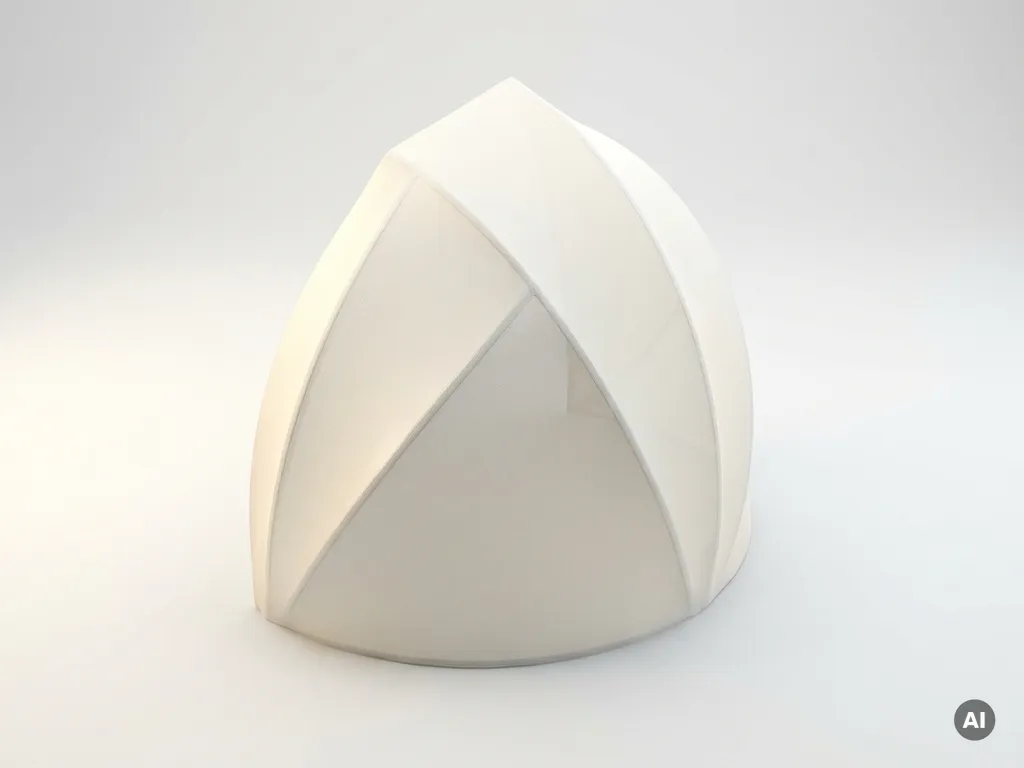
Planetarium domes are made from a combination of materials depending on their type and purpose. Permanent structures typically use rigid shells of aluminum, steel, or fiberglass, while portable and inflatable models rely on coated nylon or polyester fabrics. The interior projection surface is usually a specially engineered perforated or seamless screen material designed to reflect light evenly across the full 360-degree field of view.
The choice of material directly shapes the dome’s acoustic properties, image quality, portability, and long-term durability. Whether you are designing a fixed museum installation or a traveling immersive experience, understanding dome construction helps you make informed decisions about technology, budget, and visitor impact.
The sections below answer the most common questions about planetarium dome materials, from outer shells and interior screens to inflatable fabrics and the evolving demands of digital projection.
What materials are used to build the outer shell of a planetarium dome?
The outer shell of a permanent planetarium dome is most commonly built from aluminum panels, steel framing, fiberglass composite sections, or a combination of these materials. Each material offers a different balance of structural strength, weather resistance, weight, and ease of fabrication. The choice depends heavily on dome diameter, climate conditions, and the building’s architectural context.
Aluminum is widely favored for its light weight and corrosion resistance, making it practical for large-span structures that need to minimize load on the supporting building. Steel is typically reserved for the underlying skeleton or geodesic framework when additional rigidity is required. Fiberglass panels, shaped through mold casting, allow for smooth, curved surfaces that are difficult to achieve with metal sheeting alone.
In many contemporary installations, the outer shell is a structural composite: a steel or aluminum geodesic frame clad with fiberglass or aluminum panels. This hybrid approach gives engineers precise control over the dome’s geometry while keeping construction manageable. Some outdoor domes also incorporate weatherproof coatings or cladding layers to protect against UV exposure and precipitation over decades of use.
For temporary or touring installations, the outer shell concept changes entirely. Inflatable or tensioned fabric structures replace rigid panels, prioritizing packability and rapid assembly over permanence. These are discussed in more detail in the section on inflatable dome materials below.
What is the inside surface of a planetarium dome made of?
The interior projection surface of a planetarium dome is made from a specially engineered screen material, most commonly a white or off-white perforated aluminum or fiberglass composite panel, or a seamless fabric screen coated with a light-diffusing compound. The material must scatter projected light evenly across the entire curved surface without creating hot spots, seams, or reflective glare.
Traditional analog planetariums used painted plaster or sprayed aluminum surfaces that provided a matte, diffuse finish. Modern digital fulldome projection demands far more precise surface engineering. The screen must maintain consistent reflectivity across a wide angle of incidence because projectors are positioned at various points around the dome, and light strikes the surface from multiple directions simultaneously.
Perforated aluminum panels are common in high-end permanent installations. The small perforations allow sound from speakers mounted behind the screen to pass through cleanly, preserving audio quality without compromising the visual surface. Seamless fabric screens, typically made from woven polyester with a specialized coating, are popular in mid-range and portable applications because they are lighter, easier to install, and free of visible seams that could distract viewers.
The gain value of the interior screen material is a critical specification. A gain that is too high creates uneven brightness; too low, and the image appears dim. Most fulldome screens are engineered for a gain close to 1.0, meaning they reflect light uniformly in all directions rather than concentrating it toward a single viewing angle.
What are inflatable planetarium domes made of?
Inflatable planetarium domes are made from coated nylon or polyester fabric, typically finished with a PVC or polyurethane coating that makes the material airtight, durable, and resistant to UV degradation. The fabric is engineered to hold its shape under continuous low-pressure inflation while remaining lightweight enough to pack into transport bags and set up within hours.
The outer skin of an inflatable dome serves a dual role: it forms the structural shell through air pressure and acts as a blackout layer that blocks ambient light from entering the interior. This blackout function is essential for projection quality. Most inflatable dome fabrics are therefore dark on the outside and lined on the inside with a white or light-colored projection surface.
The interior projection surface in an inflatable dome is usually a seamless fabric layer bonded or tensioned to the inside of the outer shell. Because seams would create visible lines across the projected image, manufacturers typically use wide-format fabric panels joined with techniques that minimize visible transitions. Some premium inflatable models incorporate a separate inner screen layer tensioned independently from the structural skin, allowing each layer to be optimized for its specific function.
Inflatable dome fabric must also balance portability with acoustic performance. Thicker, heavier coatings improve sound absorption and reduce the hollow resonance that can occur inside an air-pressurized structure, but they add weight and reduce packability. This trade-off is one of the key engineering decisions in inflatable planetarium dome construction, and it is one reason why professional-grade inflatable domes used for immersive education or brand experiences tend to weigh significantly more than basic event tents of similar diameter.
How does dome material affect image and sound quality?
Dome material affects image quality primarily through its reflectivity, surface texture, and seam visibility. It affects sound quality through its acoustic absorption coefficient and whether it allows sound to pass through from behind-screen speaker arrays. A poorly chosen or poorly installed dome material can undermine even the most advanced projection and audio system.
Image quality factors
The projection screen material determines how evenly light is distributed across the dome’s curved surface. A surface with inconsistent reflectivity creates bright patches and dark zones that break immersion. Texture matters too: a surface that is too rough scatters light in ways that reduce perceived sharpness, while a surface that is too smooth can create specular reflections that appear as glare points on the image.
Seams are a persistent challenge in dome construction. Even small raised edges or color variations at panel joints become visible under projection, particularly during scenes with large areas of uniform color such as night skies or deep-space backgrounds. This is why seamless fabric screens and precision-fitted aluminum panels with flush joints are preferred in professional fulldome installations.
Sound quality factors
In domes where speakers are mounted behind the projection surface, the screen material must be acoustically transparent. Perforated aluminum panels and open-weave fabric screens allow high-frequency sound to pass through without significant attenuation. Solid or tightly woven materials, by contrast, muffle high frequencies and alter the perceived timbre of music and narration.
The dome’s overall material mass and rigidity also influence reverberation. Hard, smooth surfaces like painted fiberglass reflect sound and can create long reverb tails that blur speech intelligibility. Softer or more porous materials absorb some of that energy, producing a more controlled acoustic environment. Many professional dome designers treat the interior with acoustic panels or fabric baffles in addition to the projection screen to achieve the right balance between immersion and clarity.
What’s the difference between a fiberglass dome and an aluminum dome?
The key difference between a fiberglass dome and an aluminum dome lies in how they are fabricated, how they behave structurally, and how they perform as projection surfaces. Fiberglass domes are molded into smooth, continuous curves and offer excellent surface consistency for projection. Aluminum domes are assembled from flat or pre-curved panels and offer superior long-term durability and weather resistance, but require more careful engineering to achieve seamless joints.
Fiberglass domes
Fiberglass composite domes are formed by laying glass fiber matting into molds and saturating it with resin. This process allows manufacturers to produce large, curved sections with a smooth, consistent surface finish that is well suited to projection. Fiberglass is relatively lightweight for its strength, and it can be finished in a range of textures and colors during manufacture.
The main limitations of fiberglass are brittleness under impact, susceptibility to UV degradation if not properly coated, and the complexity of repairing damage in the field. Large fiberglass domes are also more difficult to transport and install than equivalent aluminum structures because the curved sections do not stack or pack efficiently.
Aluminum domes
Aluminum dome structures are typically built from a geodesic or ribbed framework of aluminum extrusions clad with flat or single-curve aluminum panels. This modular approach makes them easier to transport, assemble on-site, and reconfigure. Aluminum is naturally corrosion-resistant and handles outdoor exposure well over long periods without the coating maintenance that fiberglass requires.
The trade-off is that flat aluminum panels must be precisely engineered and fitted to approximate the ideal spherical curve of a dome. Visible panel edges or joints can disrupt the projection surface unless the interior is lined with a separate seamless screen layer. In practice, most large aluminum dome installations combine the structural aluminum frame with a dedicated interior fabric or composite projection screen, separating the structural and optical functions entirely.
How are modern digital projection systems changing dome material requirements?
Modern digital fulldome projection systems are raising the bar for dome material precision because they deliver higher resolutions, wider color gamuts, and greater brightness than the analog star projectors they replaced. These advances expose surface imperfections, seams, and reflectivity variations that older, lower-resolution systems would have concealed. As a result, dome material specifications have become significantly more demanding in the digital era.
Early digital fulldome systems projected at resolutions that were forgiving of minor surface inconsistencies. Today’s 4K and 8K fulldome systems render detail that makes even small surface defects visible under projection. This has driven demand for higher-quality seamless screen materials, more precise panel fitting tolerances, and improved surface coatings that maintain uniform reflectivity across the full dome surface.
The shift to laser projection has also changed the requirements for screen gain and surface treatment. Laser projectors produce highly coherent light that can interact with certain screen textures to create a grainy artifact known as laser speckle. Screen manufacturers have developed specialized anti-speckle coatings and surface micro-textures that scatter laser light in ways that suppress this effect while preserving overall image sharpness.
Immersive audio has placed parallel demands on dome materials. As spatial audio formats become standard in fulldome productions, the acoustic transparency and absorption characteristics of dome surfaces have become as important as their optical properties. Dome designers now routinely specify screen materials jointly with acoustic engineers to ensure that the chosen surface serves both the projection system and the surround sound environment.
At Rooftop Immersive, we work with immersive installation projects that navigate exactly these material and technology decisions, designing 360-degree dome environments where every surface choice is made in service of the story being told. If you are planning a dome-based experience and want to explore what is possible, we invite you to contact us and start the conversation.
Gerelateerde artikelen
- What is an immersive museum?
- What does immersive event mean?
- Can you give me an example of an immersive learning experience?
- What is a 360 degree video?
- How much do immersive installations cost?
- What are the different types of immersive experiences?
- What are dome installations?
- What is immersive and interactive media?
- Are immersive and experiential the same?