
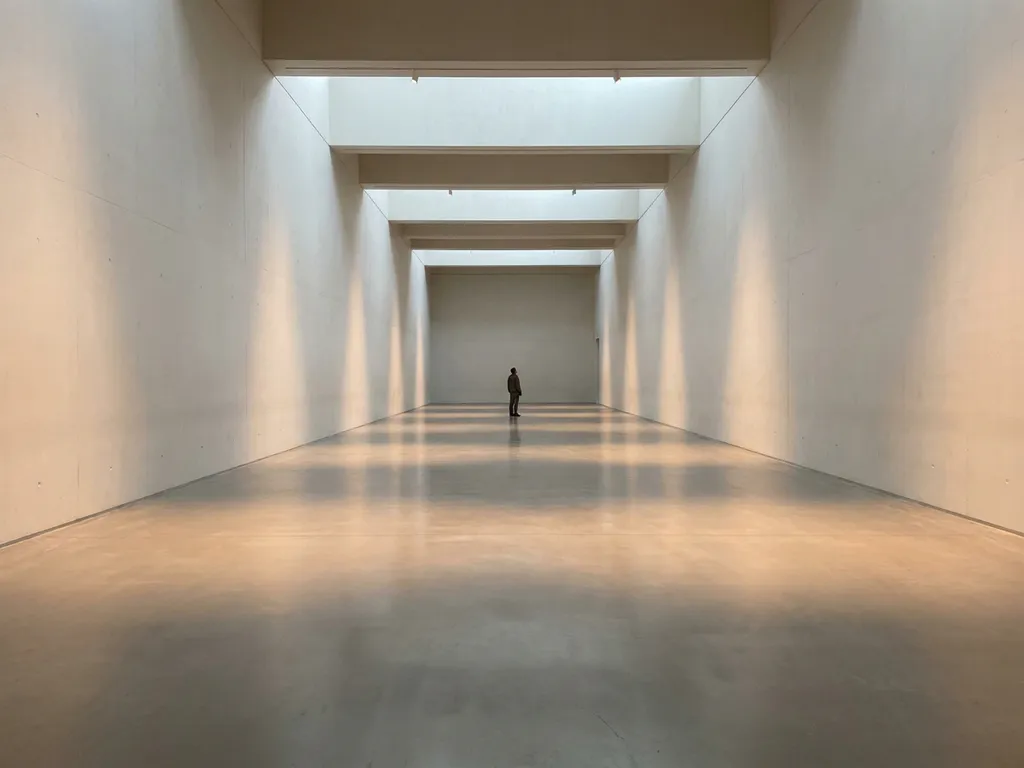
Spatial design directly affects user engagement by shaping how people move, feel, and connect within a physical environment. When a space is intentionally designed, it guides attention, triggers emotional responses, and encourages people to slow down, explore, and participate. The effect is not incidental; it is the result of deliberate choices about layout, sensory input, scale, and storytelling. The questions below unpack the specific mechanisms behind that effect.
What elements of a physical space drive emotional engagement?
The physical elements that drive emotional engagement are scale, light, sound, material texture, spatial sequence, and the sense of discovery. When these elements work together, they create an environment that feels meaningful rather than functional. People respond emotionally to spaces that surprise them, make them feel held or exposed, or tell a story through their architecture and atmosphere.
Scale is one of the most immediate triggers. A vast ceiling creates awe; a low, enclosed alcove creates intimacy. Neither is inherently better, but both produce distinct emotional states that a designer can use with intention. Light operates similarly: warm, directional light draws focus and creates warmth, while cool ambient light opens a space and signals objectivity or calm.
Spatial sequence matters because emotional engagement builds over time. A space that reveals itself gradually, moving visitors through contrast and transition, creates a narrative arc. The anticipation before entering a new room, the pause at a threshold, the moment of arrival in a central space: these are emotional beats built into the architecture itself.
Material texture adds a layer that is easy to overlook but deeply felt. Rough stone, soft fabric, polished metal, and warm wood each carry associations and invite or discourage touch. When material choices align with the story a space is telling, they reinforce the emotional message without requiring any words.
How does sensory layering increase time spent in a space?
Sensory layering increases time spent in a space by giving visitors more to notice, process, and return to. When a space engages only one or two senses, people absorb it quickly and move on. When it activates sight, sound, smell, touch, and even temperature simultaneously, the experience becomes richer and more absorbing, which naturally extends dwell time.
The brain processes multisensory input as more real and more memorable than single-channel information. A soundscape that matches a visual environment, for example, creates a stronger sense of presence. Adding a subtle scent that reinforces the theme deepens the association further. Each additional sensory layer gives the brain more to integrate, which keeps attention engaged for longer.
There is also a discovery dynamic at play. Sensory details that are not immediately obvious, a scent that becomes noticeable only after a few minutes, a sound that shifts depending on where you stand, reward visitors who stay and pay attention. This creates a reason to linger rather than scan and leave.
For cultural institutions, retail environments, and immersive experiences, this principle translates directly into measurable outcomes. Longer dwell time increases the likelihood of emotional connection, knowledge retention, and the kind of memorable experience that people share with others afterward.
What’s the difference between immersive design and traditional interior design?
The key difference between immersive design and traditional interior design is intent. Traditional interior design optimizes a space for function, aesthetics, and comfort. Immersive design optimizes a space for experience, emotion, and transformation. Traditional design asks: does this space work well and look good? Immersive design asks: what does this space make people feel, think, and do?
Traditional interior design operates within established categories: furniture, colour palettes, lighting fixtures, flow between rooms. It serves the people who inhabit a space by making it practical and pleasant. The visitor is a user of the space, not a participant in it.
Immersive design treats the visitor as the protagonist. The space is built around their journey, their emotional arc, and their transformation from entry to exit. Every design decision, from ceiling height to the timing of a sound cue, is in service of that journey. The space is not a backdrop; it is the medium.
This distinction also affects the role of technology. In traditional interior design, technology is largely invisible infrastructure: lighting controls, climate systems, audiovisual equipment. In immersive design, technology is often a core expressive tool. Projection mapping, spatial audio, augmented reality layers, and interactive sensors are not additions to the design; they are part of the design language itself.
How does spatial layout influence visitor behaviour and movement?
Spatial layout influences visitor behaviour and movement by creating implicit cues that guide attention and decision-making without requiring signage or instruction. The position of openings, the direction of light, the placement of focal points, and the width of pathways all communicate where to go, how fast to move, and where to pause. Visitors follow these cues instinctively.
Research in environmental psychology shows that people tend to move toward light, toward open space, and toward visual points of interest. A well-designed layout exploits these tendencies to create a natural circulation path that ensures visitors encounter content in the intended sequence. A poorly designed layout creates confusion, backtracking, and premature exit.
Bottlenecks and breathing spaces
Spatial bottlenecks, narrow passages or threshold moments, slow movement and create anticipation. Used deliberately, they build tension before a reveal. Used carelessly, they create frustration and crowding. Breathing spaces, open areas with seating or open floor, allow visitors to pause, reflect, and absorb what they have just experienced. Both are essential tools in designing a coherent visitor journey.
Desire lines and unplanned movement
Visitors do not always follow the intended path. When they consistently deviate from the designed route, they are communicating something about the layout’s logic. Designers who study these desire lines, the paths people actually take rather than the ones they are supposed to take, gain insight into how spatial logic is being read and where adjustments are needed. In interactive environments, tracking visitor movement over time becomes a valuable feedback loop for continuous improvement.
Why does spatial design matter more in museums and exhibitions than in offices?
Spatial design matters more in museums and exhibitions than in offices because the space itself is the product. In an office, the space supports work; the work is what matters. In a museum or exhibition, the experience of moving through the space is inseparable from the content being communicated. If the spatial design fails, the exhibition fails, regardless of how strong the content is.
Visitors to cultural institutions arrive with curiosity and openness, but also with limited time and attention. They are not obligated to engage. The space must earn their attention at every step, creating enough interest, surprise, and emotional pull to keep them moving forward rather than retreating to the gift shop. This is a fundamentally different design challenge from creating a functional workspace.
There is also a deeper purpose at stake. Museums and cultural institutions carry a responsibility to communicate meaning, preserve heritage, and build understanding across diverse audiences. Spatial design is one of the most powerful tools they have for fulfilling that responsibility. A well-designed exhibition can make a visitor feel the weight of history, develop empathy for an unfamiliar perspective, or understand a complex idea through direct experience rather than explanation.
For institutions facing declining visitor numbers and the challenge of engaging younger audiences, spatial design is not a luxury. It is a strategic lever. Spaces that feel alive, responsive, and worth exploring are the ones that generate word-of-mouth, repeat visits, and the kind of emotional connection that sustains institutional relevance over time.
How can digital technology enhance spatial engagement without overwhelming visitors?
Digital technology enhances spatial engagement without overwhelming visitors when it serves the story rather than demonstrating its own capabilities. The guiding principle is subtraction: every digital element should earn its place by deepening the experience, not by adding visual noise. Technology that draws attention to itself pulls visitors out of the experience; technology that disappears into the environment amplifies it.
Practical approaches include using projection mapping to transform surfaces rather than adding screens, integrating spatial audio that responds to visitor position rather than playing uniformly throughout a space, and deploying augmented reality layers that visitors can choose to access rather than having them imposed. Choice and agency are critical: visitors who feel in control of their digital interactions engage more deeply than those who feel bombarded.
Pacing also matters. Digital elements that activate only when a visitor approaches, or that respond to movement and presence, create a sense of the space being alive and responsive. This is far more engaging than a looping video playing on a screen regardless of whether anyone is watching. Responsive technology rewards attention and creates moments of genuine surprise.
We approach this challenge by designing technology as an invisible layer beneath the experience. The visitor feels the effect before they understand the mechanism. Whether that is a VR experience that places someone inside a historical moment, an AR layer that brings a static exhibit to life, or a spatial audio environment that shifts as you move, the goal is always the same: deepen the connection, not distract from it.
What metrics show whether spatial design is achieving engagement goals?
The metrics that show whether spatial design is achieving engagement goals fall into three categories: behavioural metrics, experiential metrics, and outcome metrics. Together they provide a complete picture of how visitors are moving through, responding to, and being changed by a space. No single metric tells the full story; the combination reveals whether the design is working as intended.
Behavioural metrics
Behavioural metrics track what visitors actually do in the space. Dwell time per zone measures how long people spend in different areas, revealing which spaces hold attention and which are bypassed. Traffic flow analysis shows whether visitors are following the intended journey or deviating from it. Return rate indicates whether the space is compelling enough to bring people back. For digital and interactive elements, interaction rate and completion rate show how many visitors engage with specific components and how deeply.
Experiential and outcome metrics
Experiential metrics capture the subjective quality of the visit. Post-visit surveys measuring emotional response, sense of immersion, and perceived relevance give designers qualitative feedback that behavioural data alone cannot provide. Net Promoter Score, the likelihood of recommending the experience to others, is a reliable proxy for overall emotional impact.
Outcome metrics connect the spatial experience to the institution’s broader goals. For educational environments, knowledge retention assessed before and after a visit measures whether the space is achieving genuine learning outcomes. For cultural institutions, social media sharing and press coverage indicate whether the experience is generating the kind of resonance that extends beyond the physical visit. For brand activations, conversion and recall data connect the experiential investment to commercial results.
When spatial design and immersive technology are integrated from the start with these metrics in mind, the result is not just a beautiful space but a measurable one. That combination, creative ambition grounded in clear success criteria, is what separates experiences that feel good from experiences that demonstrably work. If you are ready to explore what that looks like for your institution or project, we would welcome the conversation: contact us to start.
Gerelateerde artikelen
- How can a show improve the overall visitor experience?
- What is immersive dome projection?
- What are the key components of a VR system?
- What is experiential marketing theory?
- What is a digital exhibit?
- What is an immersive experience design track?
- How much does it cost to create a VR experience?
- How long does AR content production take?
- How do dome installations create immersive experiences?