
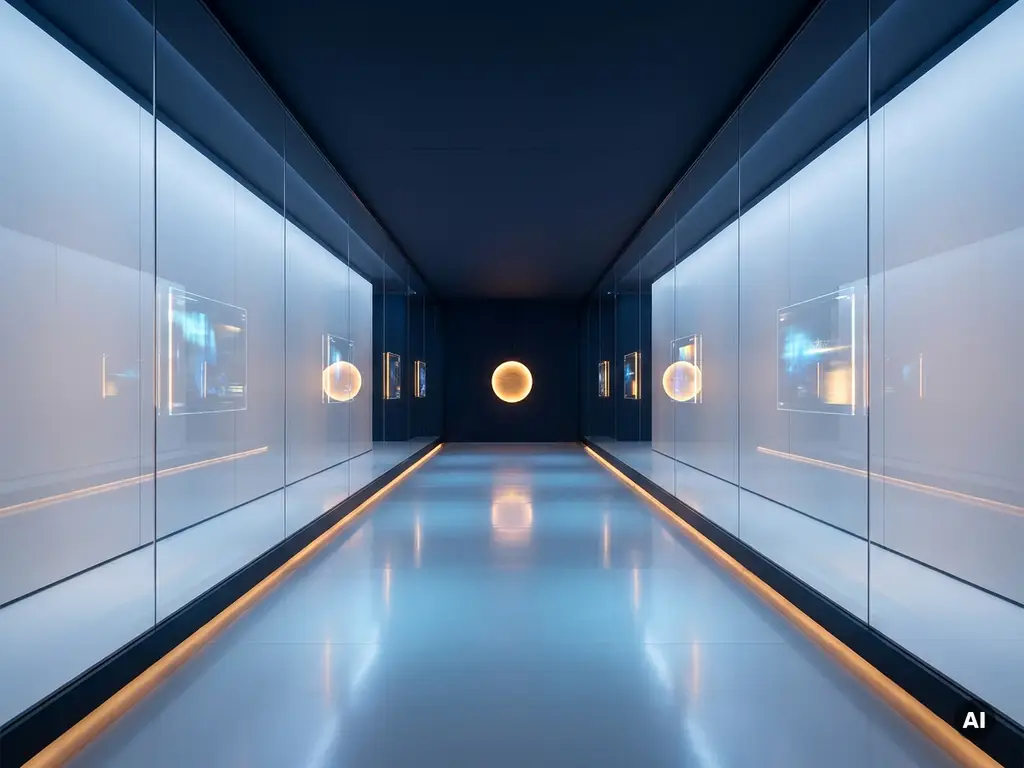
Creating a digital museum means building an online or hybrid environment where audiences can explore collections, stories, and cultural content through interactive, immersive digital experiences, accessible beyond the walls of a physical building. The process combines content digitisation, platform selection, and thoughtful experience design to bring collections to life in ways that resonate with modern audiences. The questions below walk through everything you need to know, from technology choices to visitor engagement strategies.
What does a digital museum actually include?
A digital museum is an interactive environment, online, on-site, or both, where visitors can explore cultural, historical, or artistic content through digital media. It typically includes digitised collection items, narrative layers, interactive tools, and multimedia storytelling that together create a coherent visitor journey rather than a simple image archive.
The scope of a digital museum varies widely depending on its purpose and audience. At its most basic, it might offer high-resolution images with descriptive text. At its most ambitious, it becomes a fully immersive digital exhibition where visitors navigate virtual spaces, interact with 3D objects, watch documentary-style films, and engage with AI-powered guides or characters.
Core components typically include:
- Digitised collection items – photographs, 3D scans, video recordings, or audio files of physical artefacts
- Narrative and contextual layers – curatorial text, timelines, thematic groupings, and storytelling that give objects meaning
- Interactive features – zoom tools, 360-degree object views, clickable hotspots, and guided tours
- Multimedia content – films, animations, soundscapes, and oral histories
- Visitor pathways – curated journeys that guide different audience segments through the content
- Accessibility features – multilingual support, screen reader compatibility, and adjustable content formats
The most effective digital museums treat these elements not as separate features but as an integrated experience, one where technology serves the story rather than competing with it.
What technology do you need to build a digital museum?
Building a digital museum requires a combination of digitisation hardware, content management systems, web or app platforms, and, depending on the level of immersion you want, extended reality tools such as AR, VR, or mixed reality. The specific technology stack depends on your collection size, audience, budget, and the depth of experience you want to deliver.
The foundational layer is digitisation technology: high-resolution cameras, photogrammetry rigs for 3D scanning, and audio recording equipment to capture physical artefacts in digital form. Above that sits a content management system (CMS) or digital asset management (DAM) platform to organise, store, and publish your collection.
For the visitor-facing experience, the technology choices branch depending on ambition:
- Web-based platforms – for accessible online museums reachable via any browser, no download required
- Virtual reality environments – built in engines like Unreal Engine or Unity, allowing visitors to walk through fully rendered virtual spaces
- Augmented reality layers – overlaid onto physical spaces or printed materials, bringing static objects to life via smartphone or headset
- Interactive screens and kiosks – for on-site digital installations that complement physical exhibitions
- AI-powered tools – including chatbots, virtual guides, and personalisation engines that adapt content to individual visitors
- 360-degree video and dome projection – for cinematic, immersive storytelling at scale
The right combination is rarely a single tool. Most compelling digital museums layer several technologies, a web platform for broad accessibility, AR or VR for deeper engagement, and AI for personalisation, unified by strong design and narrative thinking.
How does a digital museum differ from a traditional museum website?
A traditional museum website is primarily informational: it tells visitors what to see, when to visit, and how to buy tickets. A digital museum, by contrast, is the experience itself. Visitors do not come to read about the collection; they explore it directly through interactive, immersive digital environments that replicate or extend the depth of a physical visit.
The distinction matters because it shapes every design decision. A website is a communication tool. A digital museum is a destination. This means the quality of interaction, the depth of narrative, and the emotional resonance of the experience become the primary measures of success, not page views or bounce rates.
Key differences include:
- Interactivity: Digital museums invite active exploration; websites present passive information
- Depth of content: Digital museums offer layered storytelling, multimedia, and curatorial context; websites summarise
- Visitor journey: Digital museums design guided or self-directed pathways; websites use standard navigation menus
- Emotional engagement: Digital museums aim to move, surprise, and educate; websites aim to inform and direct
- Technology complexity: Digital museums often involve 3D environments, AR/VR, and AI; websites rely on standard web development
Many institutions begin with a strong website and gradually build digital museum capabilities alongside it, using the website as the entry point and the digital museum as the immersive destination visitors move into.
How do you digitise a physical collection for a virtual museum?
Digitising a physical collection for a virtual museum involves capturing objects in sufficient detail that they can be viewed, explored, and contextualised digitally without losing their significance. The process combines photography, 3D scanning, metadata curation, and quality control to produce assets that are both technically accurate and experientially rich.
Capturing the physical object
The method of capture depends on the object type. Flat works, paintings, documents, photographs, are typically captured with high-resolution flatbed scanners or professional cameras under controlled lighting. Three-dimensional objects require photogrammetry (taking dozens or hundreds of overlapping photographs to construct a 3D model) or structured light scanning for greater precision. Fragile or oversized items may need specialist equipment or techniques.
Building the metadata and narrative layer
A digitised object without context is just a file. The real work of digitisation lies in attaching rich metadata, provenance, date, materials, cultural significance, related objects, and curatorial narrative that gives the digital version meaning. This layer is what transforms a scanned image into a museum-quality digital artefact. It is also what makes collections searchable, discoverable, and genuinely useful to researchers, educators, and general visitors alike.
Once assets are captured and contextualised, they need to be ingested into a digital asset management system and formatted for the platforms through which visitors will access them, whether a web viewer, a VR environment, or an AR activation.
What makes a digital museum experience engaging for visitors?
A digital museum experience becomes engaging when it moves visitors from passive observation to active participation, when they feel curious, emotionally connected, and genuinely immersed rather than simply informed. The most effective immersive digital exhibitions combine strong storytelling, meaningful interactivity, sensory richness, and personalisation.
Several principles consistently separate engaging digital museum experiences from forgettable ones:
- Narrative-first design: Technology should serve the story, not the other way around. Visitors engage when they care about what they are discovering, not just how it is displayed.
- Active participation: Clicking, choosing, exploring, and making decisions creates investment. Passive scrolling does not.
- Emotional resonance: Experiences that connect objects and histories to human emotions, grief, wonder, pride, empathy, leave lasting impressions.
- Personalisation: Allowing visitors to choose their own path, language, or depth of content respects their individual needs and keeps them engaged longer.
- Sensory layering: Where technology allows, adding sound design, spatial audio, or even scent (in physical installations) dramatically deepens immersion.
- Accessibility: Experiences designed for diverse abilities and backgrounds reach more people and signal genuine inclusivity.
We design with all of these principles in mind, understanding that a visitor who feels genuinely moved by an experience will return, share it, and advocate for the institution behind it. Explore our immersive project work to see how these principles translate into real outcomes for cultural institutions.
Which platform or software should you use to create a digital museum?
The right platform for a digital museum depends on the scale of your collection, the level of interactivity you want, your technical capacity, and whether the experience is primarily online, on-site, or both. There is no single best platform, but there are clear categories to choose from based on your goals.
Web-based and CMS platforms
For accessible, browser-based digital museums, platforms like Omeka, CollectiveAccess, or custom-built solutions on WordPress or Webflow offer flexible ways to publish and organise collections. These work well for institutions prioritising broad reach and ease of maintenance. They are not, however, designed for deep immersion or real-time 3D interaction.
3D and immersive environment tools
For virtual museum spaces that visitors can navigate in three dimensions, game engines such as Unreal Engine and Unity are the industry standard. They allow the creation of photorealistic environments, interactive objects, and dynamic lighting, but require significant development expertise. Platforms like Matterport offer a more accessible route to 3D spatial experiences using 360-degree photography, making them popular for virtual tours of physical spaces.
AR and VR platforms
Augmented reality experiences for mobile devices can be built using platforms like 8th Wall, Niantic Studio, or native development frameworks for iOS and Android. VR experiences typically run on standalone headsets (Meta Quest, Apple Vision Pro) and are built in Unity or Unreal. For institutions without in-house development teams, working with a specialist studio is often the most efficient path to a high-quality result.
The most future-proof approach combines a stable web layer for accessibility with modular immersive features, AR activations, VR rooms, or interactive installations, that can be updated and expanded over time without rebuilding from scratch.
How much does it cost to create a digital museum?
The cost of creating a digital museum varies enormously depending on the scope, technology, content volume, and level of interactivity involved. Rather than a fixed price, it is more useful to understand the key factors that drive investment, because these are the decisions that most directly shape what you spend.
The primary cost factors include:
- Collection size and digitisation complexity: Scanning and processing thousands of objects, particularly three-dimensional or fragile ones, requires significant time, equipment, and specialist expertise
- Level of interactivity and immersion: A browsable online archive costs far less than a fully navigable VR environment or a multi-room immersive installation
- Platform and technology choices: Off-the-shelf platforms have lower upfront costs but limited customisation; bespoke development offers full control at higher investment
- Content production: Films, animations, soundscapes, and AI-powered guides each add production cost but also add significant experiential value
- Ongoing maintenance and updates: Digital museums are not one-time builds, they require hosting, security, content updates, and technology refreshes over time
- Accessibility and multilingual requirements: Translating content and ensuring compliance with accessibility standards adds scope but broadens audience reach significantly
A phased approach often makes financial sense: launch with a strong foundational digital presence, then layer in more immersive features as budget and audience data justify the investment. This keeps initial costs manageable while building toward a richer long-term experience.
How do you attract and retain visitors to a digital museum?
Attracting visitors to a digital museum requires the same strategic thinking as any digital audience-building effort, clear positioning, discoverability, and a compelling reason to visit. Retaining them requires delivering an experience that justifies return visits and earns word-of-mouth advocacy. Neither happens by accident.
Effective strategies for building and sustaining a digital museum audience include:
- Search engine optimisation: Structured, well-described collection content is inherently rich in keywords and long-tail search terms. A well-organised digital museum can attract significant organic traffic from researchers, students, and curious general audiences.
- Educational partnerships: Aligning digital museum content with school curricula or university programmes creates sustained, high-value audiences with genuine learning intent.
- Timed digital exhibitions: Temporary online exhibitions, mirroring the rhythm of physical museum programming, give audiences a reason to return regularly rather than visiting once and moving on.
- Social and community integration: Shareable moments, behind-the-scenes content, and community challenges (such as digital treasure hunts or AR activations) turn visitors into advocates.
- Personalised experiences: AI-driven pathways that adapt to visitor interests, learning styles, or prior visits make the experience feel relevant and worth revisiting.
- Cross-platform presence: Extending the digital museum into social media, podcast content, or mobile AR activations reaches audiences where they already spend time, drawing them into the deeper experience.
Retention ultimately comes down to depth and trust. A digital museum that consistently offers new content, respects its audience’s intelligence, and delivers genuine emotional or intellectual value earns the kind of loyalty that drives long-term growth. If you are ready to build a digital museum experience that genuinely moves people, we would love to help, contact us to start the conversation.
Gerelateerde artikelen
- What are the 5 C's of experiential marketing?
- What are 10 real-world examples of augmented reality?
- How much does a virtual tour cost?
- What are the benefits of experiential marketing?
- What is the primary goal of experiential marketing?
- What are experiential marketing techniques?
- What is immersive learning?
- How to create immersive content?
- How do you create VR content for marketing campaigns?