
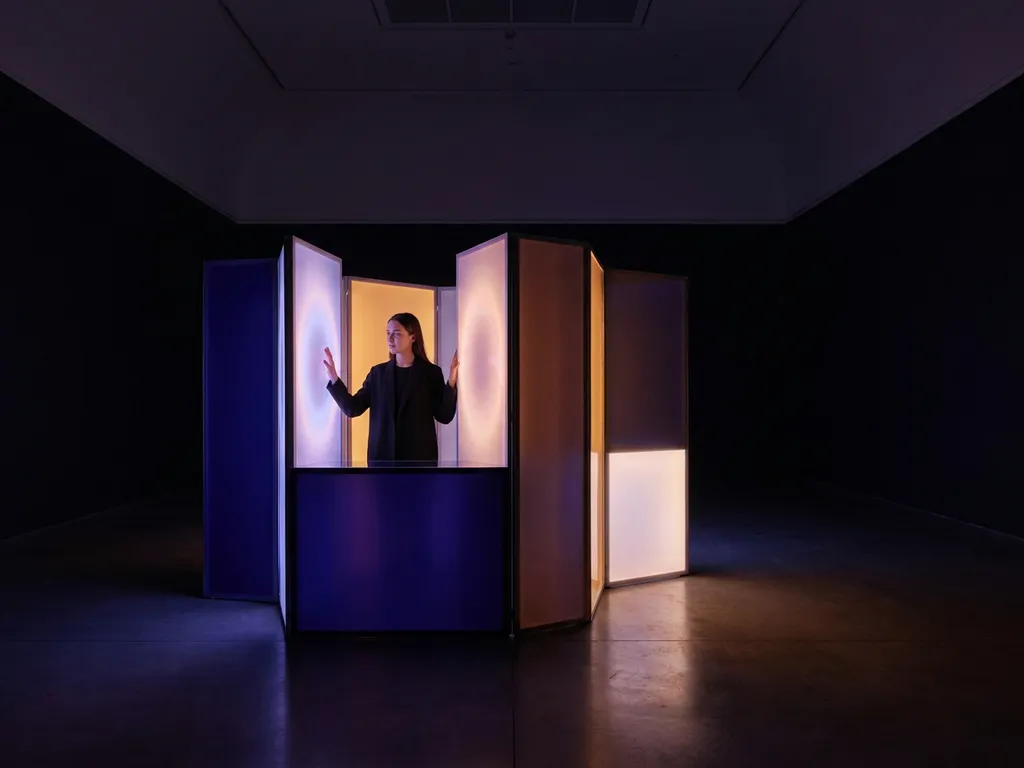
Immersive experiences help brands connect with Gen Z by replacing passive advertising with participatory, sensory-rich environments that demand genuine attention and create lasting emotional memories. Unlike traditional campaigns that broadcast messages at audiences, immersive formats invite Gen Z to step inside a brand’s world, engage on their own terms, and share what they discover. The questions below unpack exactly why this shift works and how brands can execute it well.
Why do traditional advertising methods fail to engage Gen Z?
Traditional advertising fails to engage Gen Z because this generation grew up inside digital ecosystems where skipping, scrolling, and blocking ads is second nature. They do not distinguish between an ad and an interruption. When a brand speaks at them rather than with them, Gen Z simply routes around it.
The deeper issue is trust. Gen Z is the most media-literate generation in history. They can identify a paid message within seconds, and their instinct is skepticism rather than receptivity. A banner ad, a pre-roll video, or a celebrity endorsement lands as noise rather than signal. The format itself signals inauthenticity before the content even registers.
There is also a neurological dimension. Traditional media delivers information through a narrow channel: screen and sound. When the brain receives stimulation through only one or two senses, it processes that input as low-priority background information. The result is shallow encoding and fast forgetting. Gen Z does not remember the ad because the ad never truly reached them in the first place.
What this generation responds to is agency. They want to make choices, influence outcomes, and co-author experiences. Static advertising offers none of that. The format was designed for passive audiences in an era of appointment television, and it carries that passivity like a structural flaw that no amount of creative optimization can fully correct.
What makes Gen Z respond to immersive brand experiences?
Gen Z responds to immersive brand experiences because these formats give them something to do, something to feel, and something worth sharing. Immersive experiences activate multiple senses simultaneously, create genuine surprise, and position the audience as a participant rather than a spectator. That combination triggers deeper emotional encoding and a stronger sense of personal connection to the brand.
Participation is the critical variable. When a person physically moves through a branded environment, makes decisions within it, or interacts with its elements, their brain processes that event as a real experience rather than a piece of content. This is why people remember a walk-through activation from three years ago but cannot recall a television commercial they saw last week. The body was involved, and the body remembers.
Shareability is the second driver. Gen Z documents their lives in real time, and an immersive experience gives them genuinely interesting material to capture and post. This is not manufactured virality. It is the natural consequence of designing something worth experiencing, because experiences worth having are experiences worth sharing. The social amplification that follows is organic, peer-endorsed, and far more persuasive than any paid placement.
Finally, immersive experiences signal that a brand has invested real creative and financial resources into its relationship with its audience. That investment communicates respect. For a generation that has grown up being treated as a demographic segment rather than a community, that signal matters enormously.
How do immersive experiences build brand loyalty with Gen Z?
Immersive experiences build brand loyalty with Gen Z by creating shared memories that attach emotional meaning to a brand identity. Loyalty in this generation is not driven by habit or convenience. It is driven by alignment, by the feeling that a brand genuinely understands who they are and what they care about. A well-designed immersive experience communicates that alignment without saying a word.
Memory plays a central role. When an experience engages multiple senses and asks for active participation, the brain encodes it more deeply and retains it longer. This is sometimes described through the lens of the forgetting curve: information delivered passively fades quickly, while experiences that involve emotion, movement, and decision-making remain accessible for months or years. A brand that lives in long-term memory occupies a fundamentally different position than one that lives in a banner impression.
There is also a community dimension. Immersive brand experiences are often shared, either physically with friends or digitally through social platforms. When Gen Z experiences something meaningful alongside people they trust, the emotional residue of that experience becomes associated with the brand. The brand becomes part of a story they tell about themselves. That is a form of loyalty that no loyalty programme or discount code can replicate.
What types of immersive experiences work best for Gen Z brand campaigns?
The immersive formats that work best for Gen Z brand campaigns are those that combine interactivity, visual spectacle, and social sharability. Augmented reality activations, location-based experiences, interactive installations, and gamified environments consistently outperform passive formats because they demand engagement rather than simply requesting attention.
Location-based and physical installations
Pop-up environments and branded installations give Gen Z a physical destination, which carries cultural weight in an era of digital saturation. A space designed to be explored, photographed, and discussed creates a moment that feels exclusive and worth seeking out. When the design is distinctive enough to generate genuine visual interest, the social documentation that follows extends the campaign’s reach far beyond the original footfall.
AR and digital-physical hybrid formats
Augmented reality experiences that layer digital content over the physical world are particularly well-suited to Gen Z because they are smartphone-native. There is no hardware barrier, no download friction, and no learning curve. A Gen Z audience encountering an AR activation in a retail space, at an event, or outdoors engages with it immediately and shares it effortlessly. The format also allows for narrative depth: a brand can deliver layered storytelling that unfolds as the user explores, rewarding curiosity and extending time on experience.
Gamified and interactive experiences
Experiences built around choice, challenge, and reward tap directly into the gaming literacy that defines Gen Z’s relationship with digital media. Whether that takes the form of an AR treasure hunt, an interactive VR scenario, or a competitive installation, the game mechanic transforms a brand touchpoint into something with genuine stakes. Completion, discovery, and achievement create positive emotional associations that transfer directly to the brand.
How does AR specifically help brands connect with Gen Z?
Augmented reality helps brands connect with Gen Z by meeting them exactly where they already spend their time: on their smartphones, in the visual language of filters, lenses, and interactive overlays that define their daily digital culture. AR requires no special venue, no headset, and no prior experience. It turns any surface, any product, or any space into an interactive canvas.
The practical advantages are significant. AR activations can be deployed at scale across multiple locations simultaneously, which means a single creative concept can reach a national or global audience without the logistical complexity of a physical tour. Geospatial AR, for example, allows brands to place digital content at precise geographic coordinates, creating city-wide experiences that reward exploration and generate location-specific social content.
AR also enables a form of storytelling that static media cannot. A product can become a portal. A poster can become a performance. A physical object can carry layers of narrative that reveal themselves progressively as the user engages. This kind of depth is exactly what Gen Z finds compelling: content that rewards attention rather than demanding it.
We design AR experiences that work across this full spectrum, from product-level AR miniatures and image-tracking activations to large-scale geospatial campaigns. The consistent principle across all of them is that the technology serves the story, never the other way around.
What role does personalization play in Gen Z immersive marketing?
Personalization plays a defining role in Gen Z immersive marketing because this generation expects experiences to adapt to them rather than asking them to adapt to the experience. A generic activation, however visually impressive, signals that the brand sees them as a demographic rather than an individual. Personalization transforms that signal entirely.
In practice, personalization in immersive contexts operates at several levels. At the most immediate level, it means allowing users to make choices that shape what they see and experience: selecting a narrative path, customizing a visual element, or interacting with content in a sequence that reflects their own curiosity. These micro-decisions create a sense of ownership over the experience that deepens emotional investment.
At a more sophisticated level, AI-driven personalization allows experiences to adapt in real time to language, pace, prior choices, and contextual signals. An immersive educational experience can adjust its complexity based on how a user is progressing. A brand activation can surface different content layers based on which elements a visitor has already explored. This kind of adaptive responsiveness is not just technically impressive; it communicates that the brand is paying attention.
For Gen Z, who have grown up with algorithmic content feeds that learn their preferences and surface relevant material, this level of responsiveness feels natural. The brands that understand this and build it into their immersive campaigns create experiences that feel genuinely personal rather than merely interactive.
How should brands measure the success of immersive Gen Z campaigns?
Brands should measure the success of immersive Gen Z campaigns across three interconnected dimensions: engagement depth, social amplification, and emotional recall. Reach alone is an insufficient metric for immersive work. The value of these experiences lies in the quality of attention they generate, not simply the volume of impressions.
Engagement depth captures how long people spent within the experience, how many interactions they completed, how far they progressed through a narrative, and whether they returned or revisited. These metrics reveal whether the experience genuinely held attention or simply attracted a glance. Time on experience and interaction rate are more meaningful indicators of success than footfall or view count in isolation.
Social amplification measures the organic reach generated by participants sharing their experience. For Gen Z campaigns, this is often where the most significant return on investment materializes. Tracking the volume, sentiment, and reach of user-generated content related to the activation reveals how compelling the experience was and how effectively it translated into peer-to-peer advocacy.
Emotional recall is harder to quantify but arguably the most important dimension. Post-experience surveys, brand sentiment tracking, and longer-term brand preference data reveal whether the immersive encounter created a lasting association between the experience and the brand. The goal is not just to be remembered immediately after the activation but to remain relevant weeks and months later, embedded in the kind of personal stories Gen Z tells about their lives.
If you are ready to design an immersive campaign that genuinely connects with Gen Z on all three of these dimensions, we would love to hear about your goals. Contact us to start the conversation.
Gerelateerde artikelen
- What is immersive dome projection?
- How much does a virtual tour cost?
- What are the benefits of having sensory experiences?
- What are the 4 types of memory in the brain?
- Does AR VR require coding?
- What are the benefits of taking a virtual field trip in immersive virtual reality?
- How much to build an immersive room?
- How do you align immersive experiences with brand identity?
- How do you create VR content for marketing campaigns?