
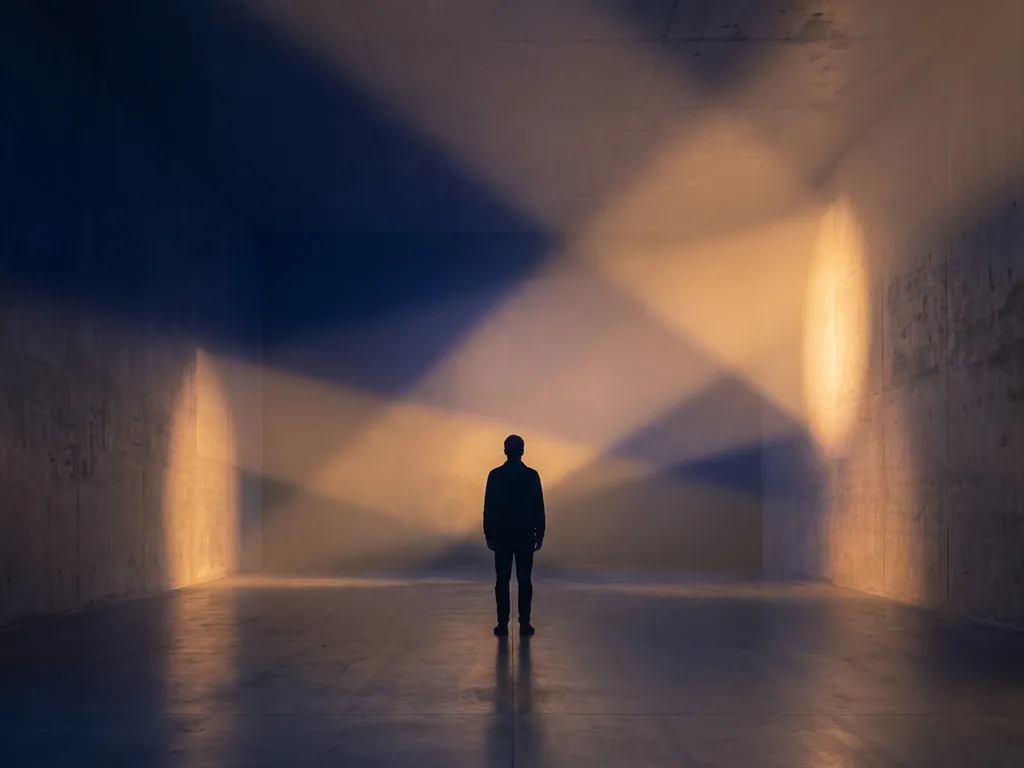
Creating an immersive room means designing a physical space where every element, light, sound, scent, texture, and storytelling, works together to pull visitors out of their everyday reality and into a carefully crafted world. The result is an environment where people do not simply observe; they participate, feel, and remember. This article unpacks the key questions behind building one, from the foundational principles of spatial design to the practical decisions that determine whether an immersive room truly lands.
What makes a room truly immersive?
A room becomes truly immersive when it removes the psychological distance between the visitor and the experience. This happens when sensory input from multiple channels, sight, sound, smell, touch, and spatial orientation, aligns into a coherent world that the brain accepts as real or meaningful. The moment a visitor stops thinking about the room and starts thinking inside it, immersion has been achieved.
The key is not any single technology or design choice. It is the consistency of the world being built. A visually stunning projection can be instantly broken by an awkward transition, a distracting exit sign, or a soundtrack that does not match the emotional arc of the space. Immersion is fragile in that sense: it requires every layer to pull in the same direction.
What separates a genuinely immersive room from a decorated space is intentionality. Every material, every sound cue, every transition between zones should serve the story or the emotional state the designers want visitors to inhabit. When that level of craft is applied consistently, the experience stops feeling like a room and starts feeling like a world.
What types of immersive rooms exist?
Immersive rooms span a wide range of formats, each suited to different goals, audiences, and budgets. The most common types include projection-mapped environments, VR rooms, mixed reality installations, 4D cinemas, interactive 360-degree domes, and multisensory narrative spaces. The right format depends on whether the goal is entertainment, education, brand activation, or cultural storytelling.
Projection-mapped and 360-degree environments
These spaces use large-scale digital projections across walls, floors, and ceilings to wrap visitors in moving imagery. Interactive 360-degree domes take this further, creating fully enclosed environments where content surrounds audiences completely. These formats work exceptionally well for museums, brand events, and educational installations that need to accommodate groups of varying sizes.
VR and mixed reality rooms
Virtual reality rooms use headsets to transport individuals or groups into fully digital environments, ranging from passive cinematic experiences to fully interactive simulations. Mixed reality installations, such as those built for platforms like Apple Vision Pro, blend real physical objects with digital overlays in real time, creating a different kind of presence that keeps visitors grounded in the physical space while enriching it with digital layers.
Multisensory and 4D installations
These environments go beyond screens by incorporating scent diffusion, temperature changes, haptic feedback, directional audio, and physical movement. A 4D cinema, for example, synchronizes seat vibration, wind, and scent with on-screen content to create full-body immersion. These formats are particularly powerful for empathy-building experiences and high-stakes educational content where emotional resonance matters most.
What technology do you need to build an immersive room?
The core technologies behind an immersive room typically include projection or LED display systems, spatial audio rigs, interactive sensing hardware, real-time rendering engines, and control software that synchronizes everything. The specific combination depends entirely on the experience type, the size of the space, and the level of interactivity required.
For projection-based environments, high-lumen laser projectors paired with edge-blending software create seamless coverage across irregular surfaces. Real-time engines like Unreal Engine or Unity power the visual content and allow it to respond dynamically to visitor behavior. Spatial audio systems, using formats like ambisonics or object-based audio, place sound precisely in three-dimensional space rather than simply filling a room with volume.
Interactive layers are typically driven by depth sensors, cameras, or floor-pressure systems that detect visitor movement and trigger responses in the content. For VR rooms, the hardware stack includes headsets, tracking systems, and often haptic accessories. For mixed reality, spatial computing devices handle the real-time blending of physical and digital elements.
It is worth noting that technology is never the starting point. The experience concept should drive the technology selection, not the other way around. Choosing the most advanced hardware available and then trying to build a story around it almost always produces a technically impressive but emotionally hollow result.
How does spatial design shape the immersive experience?
Spatial design is the architecture of attention. It determines where visitors look, how they move, what they notice first, and how long they dwell in each zone. In an immersive room, spatial design is not decoration: it is the primary tool for guiding emotional and narrative flow through a physical environment.
Ceiling height, for example, directly influences emotional state. High ceilings tend to evoke openness and awe; lower ceilings create intimacy or tension. Floor texture and material communicate whether a space is safe and inviting or deliberately disorienting. The placement of light sources shapes focus and hierarchy, drawing the eye toward what matters most at any given moment in the experience.
Circulation paths are equally important. A well-designed immersive room choreographs visitor movement so that each transition between zones feels earned and intentional. Bottlenecks break immersion; clear spatial logic sustains it. The goal is to make visitors feel free to explore while subtly guiding them through the experience in the intended sequence.
Acoustic design is often underestimated as a spatial element. How sound behaves in a room, whether it absorbs, reflects, or diffuses, shapes the perceived reality of the space as powerfully as any visual element. Rooms designed for immersive experiences often use a combination of absorptive panels, diffusers, and directional speaker arrays to control the acoustic environment with the same precision applied to lighting and visuals.
How do you layer storytelling into an immersive room?
Storytelling in an immersive room is layered across time, space, and sensory channels simultaneously. Rather than delivering a linear narrative from a single source, immersive storytelling distributes meaning across the environment itself, in the objects visitors encounter, the sounds that shift as they move, the light that changes to reflect emotional beats, and the choices they make that alter what happens next.
The first layer is the world-building layer: the visual and spatial language that establishes where and when the visitor is. This includes the aesthetic of the room, the materials used, the color palette, and the ambient audio that signals the emotional register of the experience before a single word of narrative is delivered.
The second layer is the narrative layer: the story beats, information, or emotional arcs that unfold as visitors move through the space. This can be delivered through voiceover, text, video, AI-driven characters, or purely through environmental storytelling, the details embedded in the space that reward curious visitors who look closely.
The third layer is the interactive layer: the moments where visitors make choices, trigger responses, or influence the direction of the experience. This layer is what transforms an audience into participants. When interaction is designed thoughtfully, it deepens emotional investment because visitors feel that the experience is responding to them specifically, not playing out regardless of their presence.
What are the most common mistakes in immersive room design?
The most common mistake in immersive room design is prioritizing technology over story. A room full of impressive hardware that lacks a clear emotional or narrative purpose leaves visitors impressed for thirty seconds and disengaged for the rest of the experience. Technology should be invisible in the sense that visitors are thinking about what they feel, not how the effect was achieved.
Other frequent mistakes include:
- Sensory overload without hierarchy: Bombarding visitors with simultaneous stimuli from every direction without a clear focal point creates confusion rather than immersion. Every moment needs a dominant sense driving the experience, with others supporting it.
- Ignoring transitions: The moments between zones or scenes are where immersion is most vulnerable. Abrupt shifts in tone, lighting, or sound break the spell. Transitions need as much design attention as the peak moments.
- Underestimating accessibility: Immersive rooms that rely entirely on visual or auditory elements exclude visitors with different sensory needs. Designing for multisensory access from the start produces better experiences for everyone.
- Neglecting the reset: In high-traffic environments, the room needs to return to its starting state smoothly and quickly between groups. Designing for operational flow is as important as designing for the visitor experience.
- Treating the brief as fixed: The best immersive rooms emerge from iterative co-creation between designers, technologists, and clients. Locking the concept too early, before the spatial and technical constraints are fully understood, leads to expensive late-stage revisions.
How long does it take to design and build an immersive room?
Designing and building an immersive room typically takes between three and twelve months from initial concept to opening day, depending on the scale, complexity, and level of custom content involved. A focused brand activation for a single event might be developed in eight to twelve weeks. A permanent museum installation with custom-built hardware and original narrative content can take nine to twelve months or longer.
The production timeline generally moves through four phases. The first is concept and strategy, where the experience vision, audience journey, and technical approach are defined. This phase typically takes two to four weeks and is the most critical investment of time: a well-defined concept dramatically reduces costly revisions later.
The second phase is design and content production, covering spatial design, 3D modeling, video and audio production, software development, and interactive system design. This is usually the longest phase, running anywhere from six weeks to several months depending on the volume of original content required.
The third phase is integration and testing, where all technical systems are assembled, content is loaded, and the experience is tested under realistic conditions. This phase often reveals unexpected issues that require iteration, so building buffer time here is essential.
The fourth phase is installation and launch, which can take anywhere from a few days to several weeks depending on the complexity of the physical build and the venue constraints.
When should you work with an immersive experience studio?
You should work with an immersive experience studio when the vision for your room requires a combination of spatial design, technology integration, and original content production that exceeds what can be assembled from separate vendors. Studios that specialize in immersive environments bring these disciplines together under one roof, which eliminates the coordination gaps that cause most immersive projects to underdeliver.
Specifically, partnering with a studio makes sense when the experience needs to work across multiple sensory channels simultaneously, when the narrative requires custom content rather than off-the-shelf assets, or when the stakes of the project, in terms of audience scale, institutional reputation, or campaign impact, are high enough that execution risk needs to be managed by experienced specialists.
It also makes sense when you need a creative partner rather than just a production vendor. The most effective immersive rooms are not built from a finished brief handed to a technical team. They emerge from a collaborative process where the studio helps shape the concept, challenges assumptions, and brings creative intelligence to problems the client has not yet identified.
We work with organizations across education, culture, brand, and public sector to take immersive room concepts from first conversation to finished experience. If you are exploring what an immersive room could achieve for your audience, we would be glad to think through it with you. Contact us to start the conversation.
Gerelateerde artikelen
- What are the different types of interactive museums?
- What are the 5 C's of experiential marketing?
- What is a digital exhibit?
- What are the 5 sensory memories?
- What is immersive entertainment?
- How do you optimize spatial design for different audiences?
- How can I create shareable brand moments without requiring app downloads?
- How does XR technology enhance brand experiences?
- How do you create compelling interactive narratives?