
The Challenge
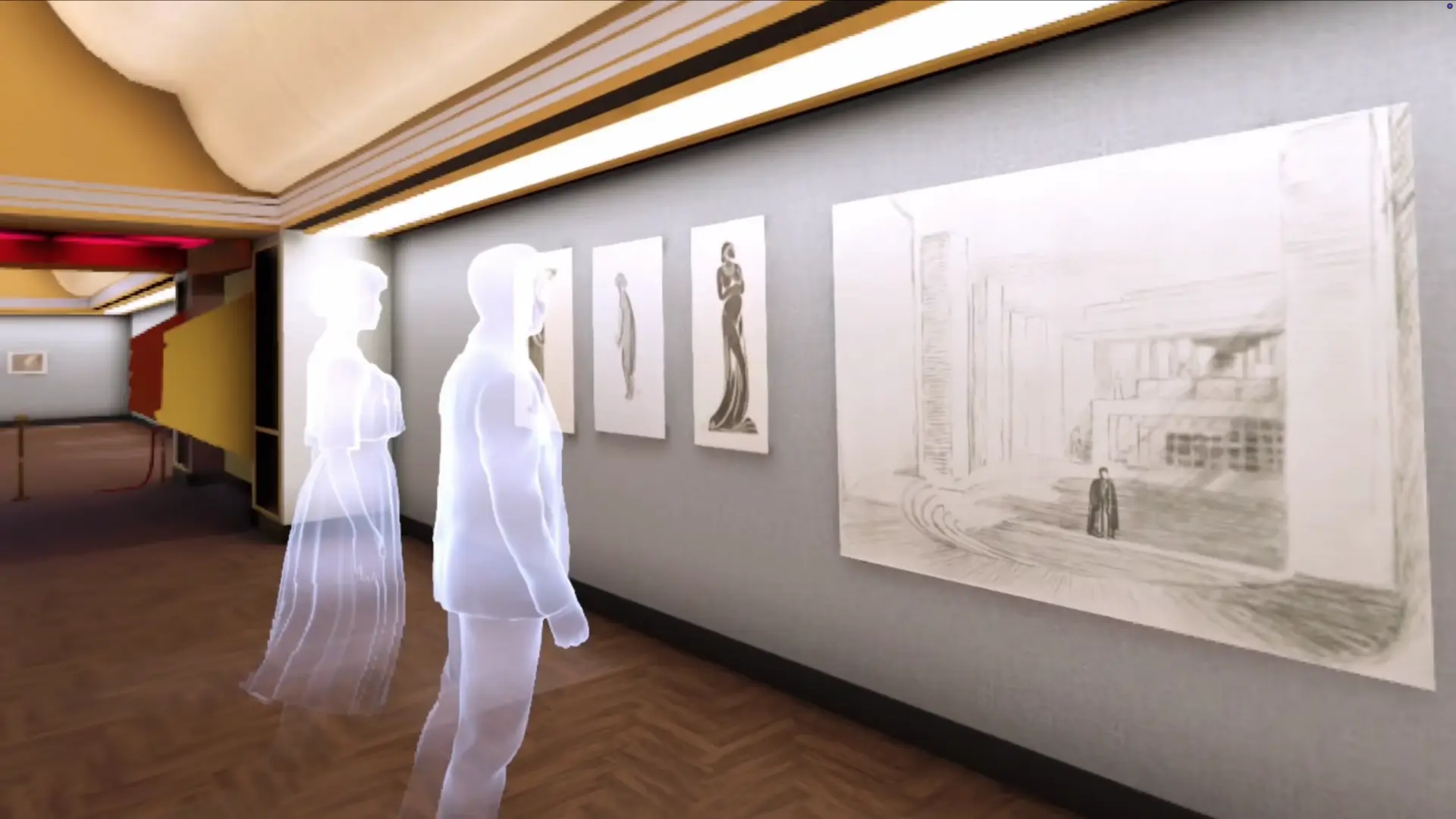
What would the Theatre of the Future look like? The year is 1922. Avant-Garde artists look for a way to get a grip on their time. The peak of post-war desire for innovation. They reject old views of the bourgeoisie and its realistic theater and discover a completely new visual language. Art for the people. The birth of how we still look at the world today. Tell stories. Share new visions. In the Stedelijk Museum in Amsterdam, visitors and artists from all over the world, from America to Russia, came together here for the international theater exhibition.
They tore down the painted backdrops of the 19th century and proposed something radical: that space itself could be dynamic, and that light was not merely illumination, but an emotional instrument that tells a story. That avant-garde movement is the foundation for everything we find visually impressive today—from festival endshows and cinematic chiaroscuro to the spatial worlds of modern video games.
Yet history forgot the origin. Following the closure of the national Theatermuseum in Amsterdam, these foundational blueprints, sketches, and scale models were packed into crates and locked away in storage. The physical institution was gone, leaving a century of revolutionary spatial design stranded in archival dark. How do we rescue this forgotten heritage from basement vaults and return it to modern audiences in a form as daring and accessible as the original ideas?
The Solution
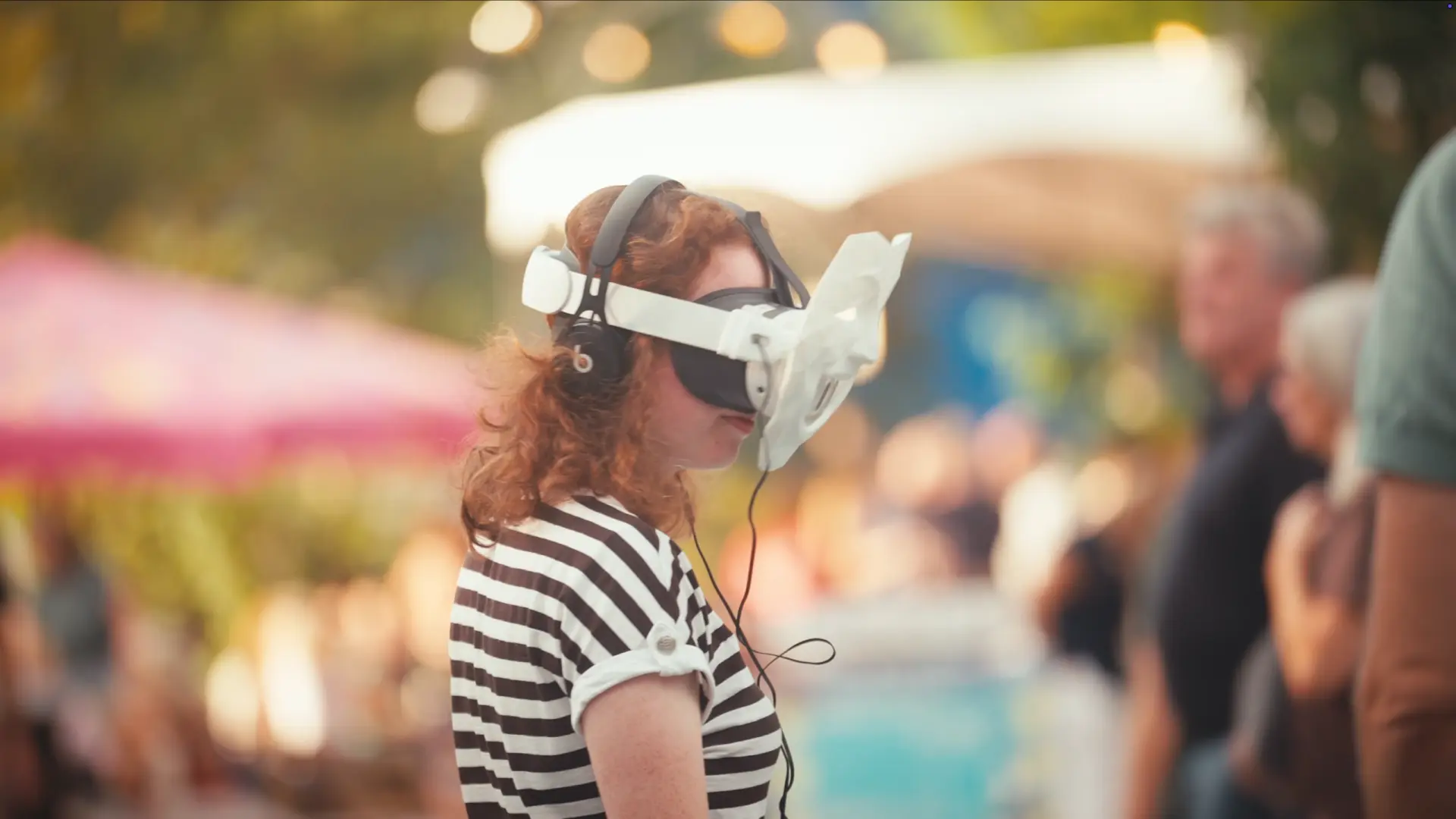
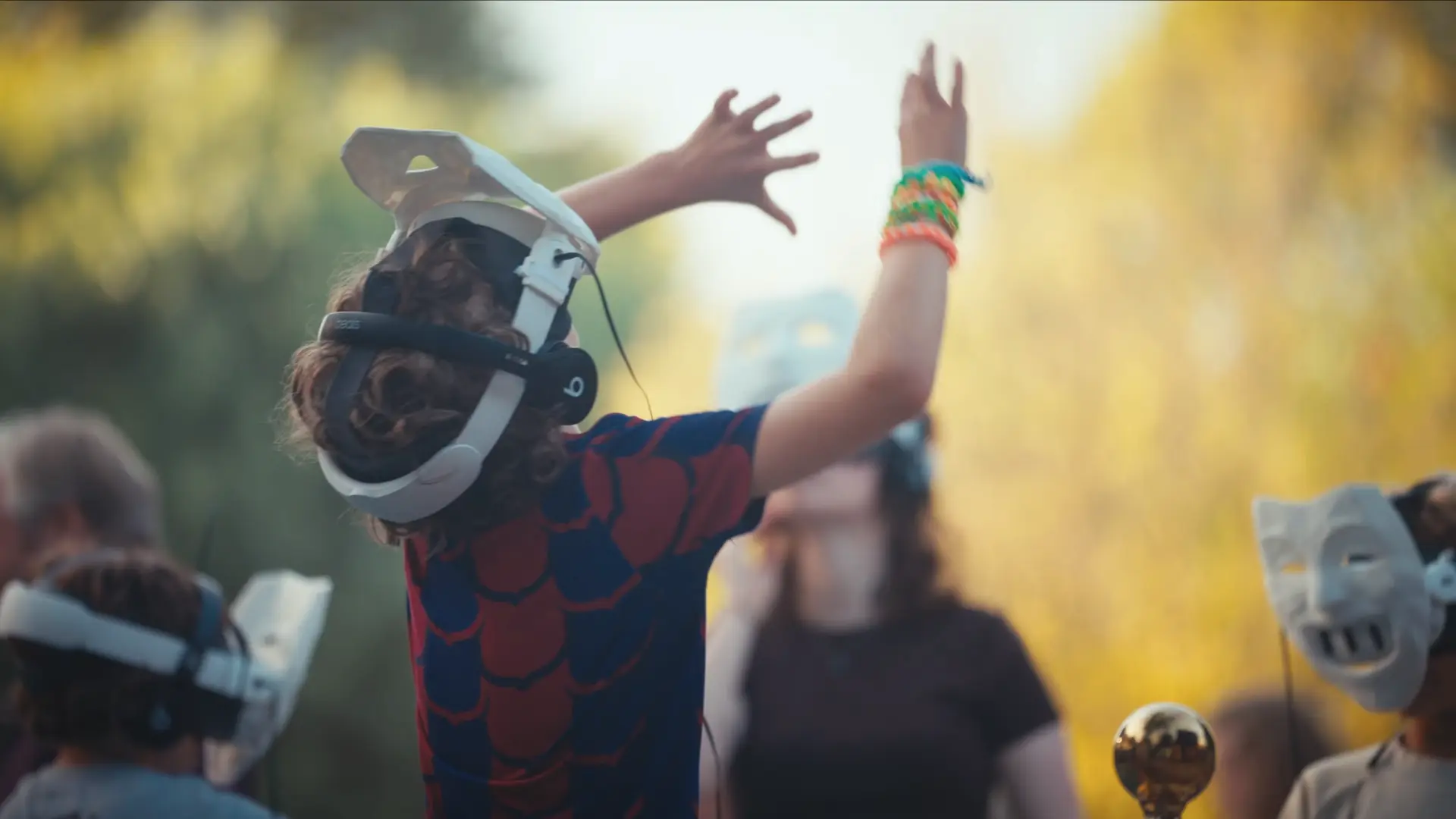
We built a walkable XR experience together with Dynamisch Archief that resurrected the 1922 exhibition. Putting on the headset, visitors leave the festival grounds behind and journey a century into the past.
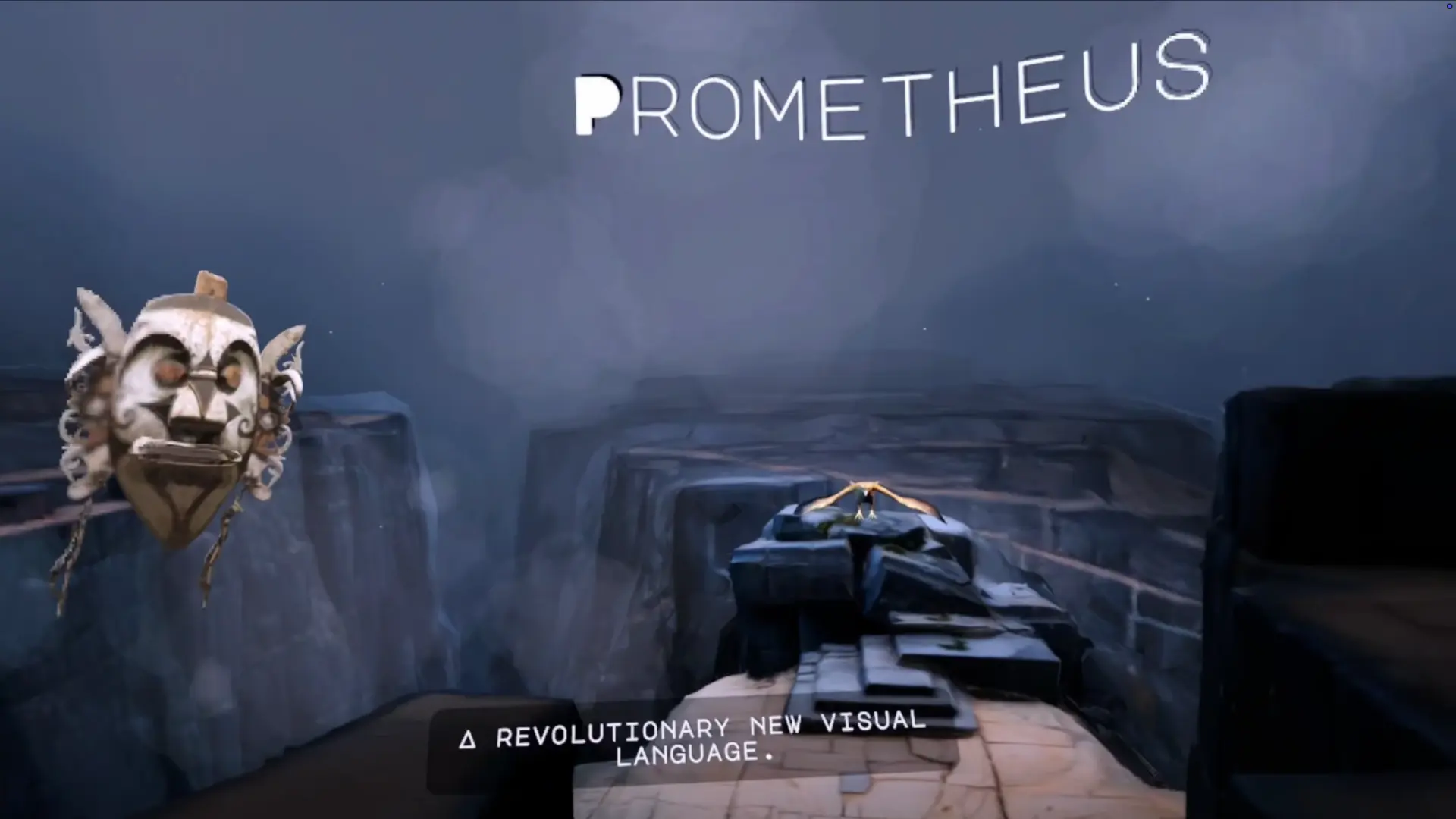
Throughout the experience, visitors are guided by an animated flying mask. Serving as a theatrical tour guide, it floats ahead to guide the way, introduce historical context, and narrate the story of the exhibition as it unfolds.
Working directly with archival blueprints, photographs, and delicate scale models—with research conducted by UvA Theaterwetenschappen, 4D Lab, and Allard Pierson—we digitally reconstructed the exhibition into a life-sized, explorable 3D environment. Visitors no longer peer at miniature maquettes trapped behind museum vitrines and flat drawings; they stand before the stage floor and witness how changing lighting affects the mood of a scene.
The Result
Premiered at De Parade in Amsterdam, the experience brought theatrical heritage straight into a festival. By collapsing a hundred years of visual culture into a walkable digital space, we showed thousands of festival-goers where their modern spectacles were born— no green and red lightsabers without Appia, no Darth Vader and Stormtroopers without Craig. The radical visions of 1922 were never meant to sleep in museum archives, but were simply waiting for the spatial technology of the future to bring them to life.